


Why Consistent Summer Training Helps Kids Return Stronger for the Next Season


CRFC BLOGS
LATEST BLOGS & NEWSLETTERS
Why Consistent Summer Training Helps Kids Return Stronger for the Next Season
When one soccer season ends, many parents wonder how much training their child really needs before the next one begins. Some families want a full break. Others want to keep the momentum going without turning summer into a second school year in shin guards. The truth usually lives somewhere in the middle.
Consistent summer training can help young players return stronger for the next season because it keeps them connected to the game. It does not need to feel heavy or intense every day. What matters most is steady repetition, useful coaching, and enough soccer rhythm to keep players from feeling like they are starting from scratch again.
Why long gaps can make the next season harder
A break can be healthy, but a long gap without meaningful reps can make the return feel rusty. Soccer depends on timing, comfort on the ball, and quick reactions, and those things can fade when players go too long without using them.
- First touches may look less settled.
- The passing rhythm can feel off.
- Players may react more slowly in game situations.
- Confidence can dip when the ball feels unfamiliar.
- The first weeks back can feel more frustrating than fun.
That does not mean kids need nonstop training. It simply means long stretches without quality reps can make the next season feel harder than it needs to.
Takeaway: A full break is not the problem. The bigger issue is losing connection to the game for too long. Consistent training helps players return with more comfort and less rust.
Why consistency matters more than random training bursts
Some players touch a ball once in a while over the summer and hope that is enough. A few random sessions can help, but steady training usually does more because it creates rhythm.
- Repeated reps help habits stay in place.
- Players adjust to the pace more easily.
- Small improvements build over time.
- Skills stay more familiar from week to week.
- Confidence grows when players feel in sync.
Think of it like reading over summer break. One giant cram session the week before school starts rarely works as well as steady reading along the way. Soccer works much the same way.
Takeaway: Consistency helps because skills stay active instead of going cold. A steady rhythm usually prepares players better than last-minute catch-up work.
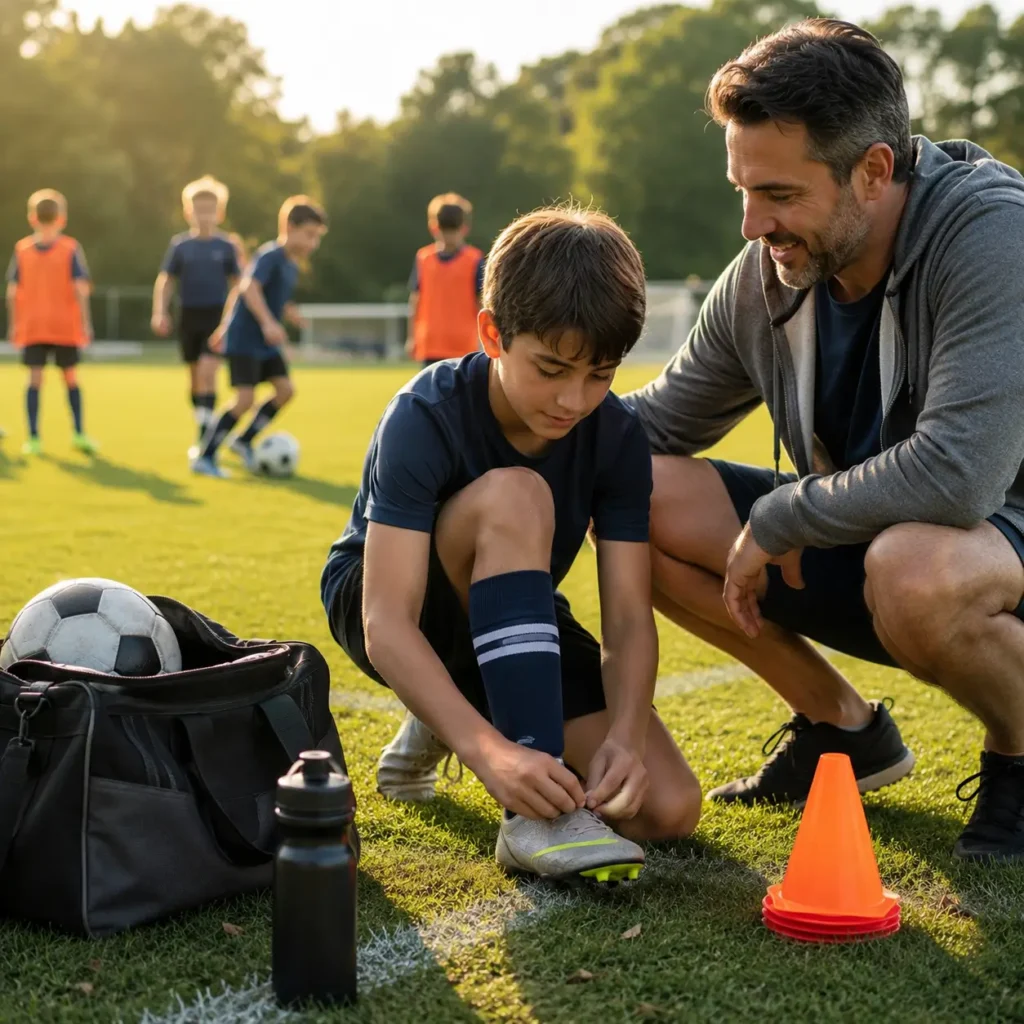
How consistent summer training helps technical skills hold up
Many of the skills players need in the next season rely on repetition. Summer training gives those skills room to stay active instead of slipping backward.
- Ball control stays cleaner with regular touches.
- Passing improves when timing stays sharp.
- Dribbling feels more natural with repeated reps.
- Shooting technique holds up better with steady work.
- Movement on and off the ball becomes more familiar.
This matters because players often look stronger in the fall when they did not spend the whole summer rebuilding the basics. Consistent training helps them pick up where they left off.
Takeaway: Summer training helps technical skills hold their shape. That makes the next season feel more like a continuation and less like a reset button.
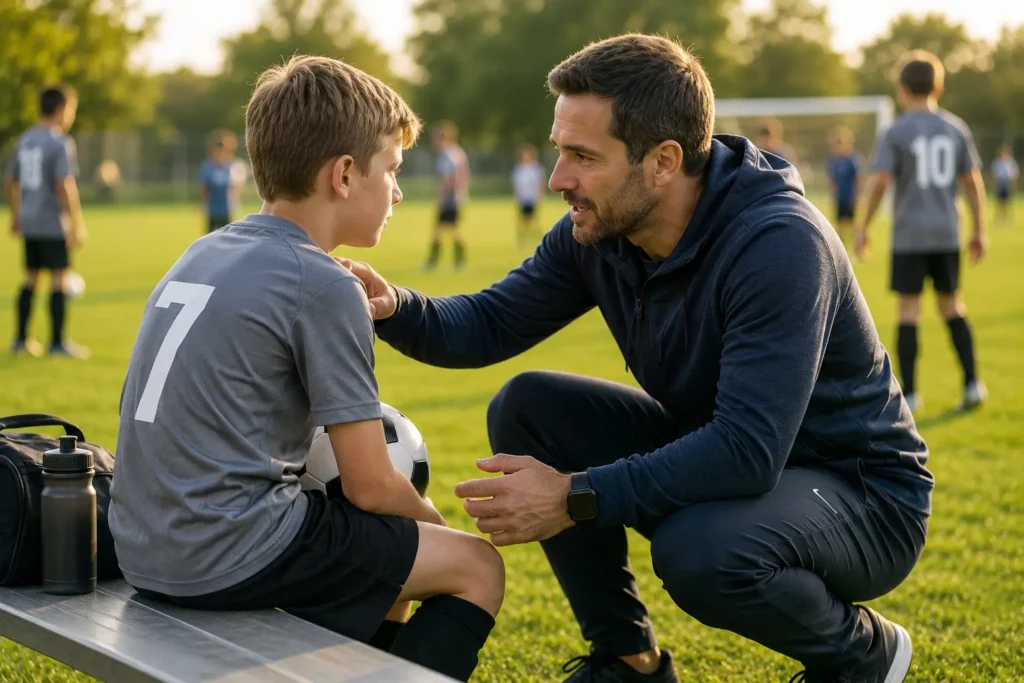
Why confidence often improves with steady summer reps
Confidence in soccer is not only about pep talks. It often grows from feeling prepared. When players keep training through the summer, the game usually feels less rushed and less intimidating when they return.
- Players trust their touches more.
- They are more willing to ask for the ball.
- They recover from mistakes faster.
- They settle into team play more easily.
- They often look more comfortable in the first sessions back.
That kind of confidence matters. A player who feels ready is more likely to enjoy the return and stay engaged early in the season.
Takeaway: Confidence grows when players feel connected to the game. Steady summer reps can make that return feel smoother and more familiar.
Why game-based summer training matters too
Summer training helps most when it is not only technical. Players also need to use their skills in real soccer moments, so the next season does not feel like a shock to the system.
- Small-sided games keep decisions active.
- Team play supports communication and movement.
- Practice games help skills hold up under pressure.
- Live situations sharpen timing and awareness.
- Players stay mentally connected to how the game feels.
That game-based side is important because players do not just forget technique over a long break. They can also lose the rhythm of reading the game and reacting within it.
Takeaway: The best summer training keeps both technique and game sense active. Players return stronger when they have practiced skills in motion, not only in isolation.
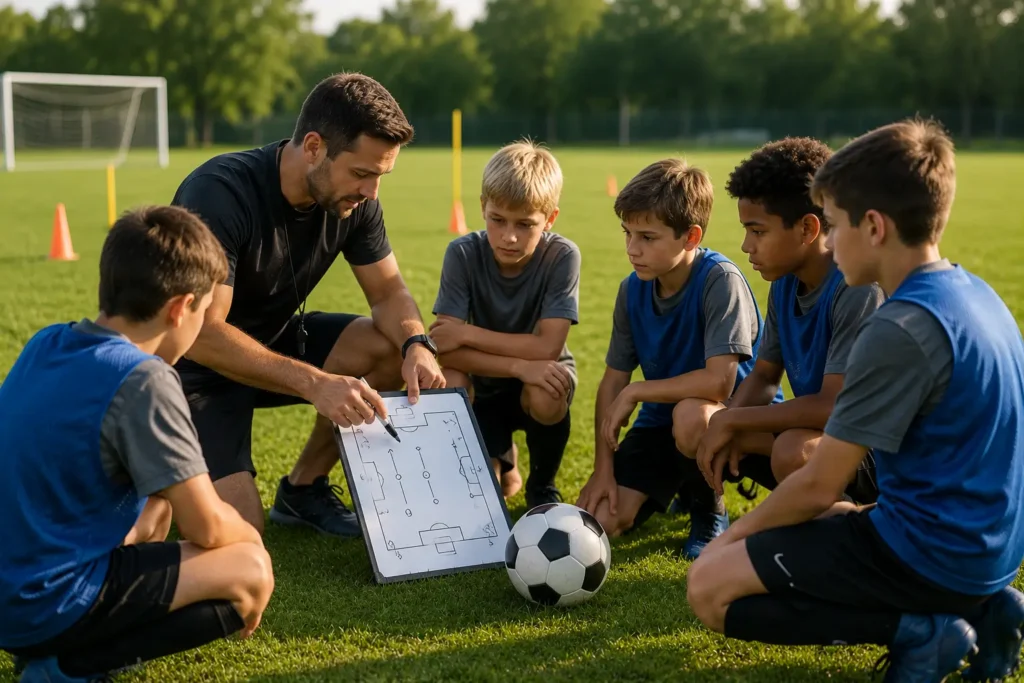
How Charlotte Rise FC summer camps support consistent development
Charlotte Rise FC’s summer camp page shows a setup that works well for steady offseason growth. Players begin with skill development in passing, shooting, and ball control, then move into small-sided games, dribbling circuits, accuracy training, team play practice, and high-energy practice games at the end of each day. That kind of structure gives players repeated reps while keeping them connected to real play.
The page also shows weekly camp options running from June 16 through July 25 at Rea Farms STEAM Academy, Harrisburg Athletic Complex, and Waxhaw Elementary. Camps are open to boys and girls ages U5 to U19, all skill levels are welcome, and goalkeeper training is available at all camps. That weekly format makes it easier for families to build consistency into the summer instead of relying on scattered sessions.
Takeaway: Consistent summer training works best when it is practical and well-structured. Charlotte Rise FC’s weekly camp setup gives families a clear way to keep players active, learning, and connected to the game.
What parents should look for if they want summer training to carry into the next season?
If your goal is to help your child return stronger, look for a camp structure that supports rhythm instead of one-off activities.
- Weekly options help create continuity.
- Skill work should be part of each day.
- Game-based training should not be missing.
- Coaching should fit your child’s level.
- The environment should feel positive and sustainable.
Those details matter because a summer plan works best when families can actually stick with it. Consistency only helps if it fits real life, too.
Takeaway: The best summer training plan is one your family can maintain. When the structure fits your child and your schedule, the benefits usually show up faster.
Conclusion
Consistent summer training helps kids return stronger for the next season because it keeps their skills, confidence, and game rhythm active. It does not require nonstop pressure or an overloaded calendar. It just takes enough steady work to keep players connected to what they have already built.
For parents, that can make the next season feel a lot smoother. Instead of spending the first few weeks shaking off rust, your child can come back ready to play, learn, and enjoy the game again. That is a much better feeling than trying to wake up sleeping skills at the last minute.
FAQs
1. Why does consistent summer training help kids return stronger for the next soccer season?
Consistent summer training helps because it keeps touches, timing, and game rhythm active instead of letting them go cold for weeks. That usually makes the next season feel smoother from the start. Families looking at Charlotte Rise FC summer camps can see how weekly training blocks support that kind of steady development.
2. Is summer training better than taking a full break from soccer?
A short break can be healthy, but many players benefit from some steady training during the summer so they do not feel like they are starting over later. The goal is balance, not overload. That same idea shows up in Charlotte Rise FC’s article on why consistency in spring camps matters more than early results.
3. What skills does summer training help players keep sharp?
Summer training can help players hold onto ball control, passing rhythm, dribbling comfort, shooting technique, and movement in game situations. Those are often the first things that feel rusty after a long gap. You can see how those details connect in Charlotte Rise FC’s youth soccer training success content.
4. How does summer camp help players feel more confident when the next season starts?
Confidence often improves when players feel prepared. Summer camp gives them repeated reps and game-based practice so the ball and the pace of play still feel familiar. That link between comfort and confidence also fits Charlotte Rise FC’s article on reducing stress and build confidence in soccer players.
5. Do summer soccer camps help with game readiness or just technical drills?
The best summer camps help with both. Technical drills matter, but players also need small-sided games and team play so they stay connected to real soccer decisions. That is why Charlotte Rise FC’s camps format matters when parents are comparing offseason options.
6. What should parents look for if they want summer training to carry into the fall season?
Look for weekly options, a clear daily structure, skill work, game-based activities, and coaching that matches your child’s level. Those pieces usually help training carry over better. Parents comparing weeks and locations can use the camp registration form to find an option that fits their summer routine.
7. Can summer training help both younger and older soccer players return stronger?
Yes. Younger players often benefit from staying comfortable on the ball, while older players benefit from keeping their sharpness and decision-making active. The overall goal is the same: return with less rust and more rhythm. That broader development mindset also fits Charlotte Rise FC’s youth soccer player development approach.

Did you find this useful?

LATEST BLOGS