


How Summer Soccer Camps Help Young Players Get More Touches and Improve Faster

CRFC BLOGS
LATEST BLOGS & NEWSLETTERS
How Summer Soccer Camps Help Young Players Get More Touches and Improve Faster
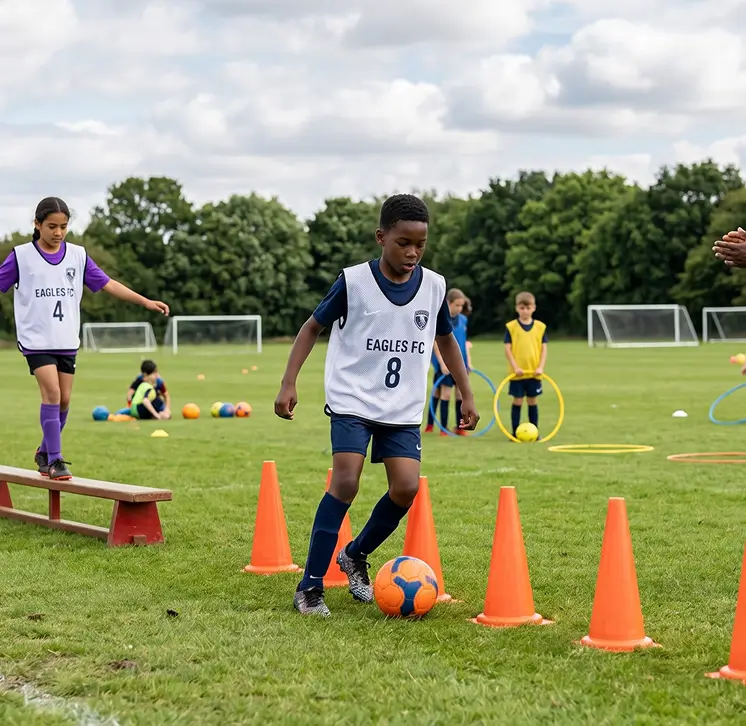
Some young players do not need a long explanation about what they want from soccer. They want the ball at their feet more often. They want more chances to pass, receive, dribble, and make something happen instead of spending long stretches watching play drift somewhere else.
That is one reason summer soccer camps can be so useful. A strong camp setting gives players more ball contact through structured training, repeated reps, and game-based activities that keep them involved. For kids who want more touches, that can make the whole week feel more active, more useful, and a lot more fun.
Why More Touches on the Ball Matter for Young Players
In youth soccer, improvement often grows from repetition. The more often a player gets meaningful touches, the more chances they have to build comfort and control.
- Players learn how the ball feels in different situations.
- Passing and receiving become more natural over time.
- Quick decisions get easier with repeated reps.
- Confidence often grows when players stay involved.
- The game starts to feel less rushed and more familiar.
That matters because some players do not struggle from lack of effort. They struggle from lack of opportunity. When touches go up, learning often does too.
Takeaway: More touches create more learning opportunities and faster improvement.
Why summer camps are a good setting for more ball contact
A full season does not always give every player the same number of useful reps. Summer camps can help fill that gap by building touch-heavy work into the day.
- Camp sessions are designed around skill development.
- Players get repeated actions across several days.
- Small-sided games keep the ball closer to everyone.
- Technical work creates more direct involvement.
- Practice games help players use skills right away.
That structure matters. A player may get a few moments on the ball in a game, but camp can give them dozens and dozens of chances to work through real actions in a shorter period of time.
Takeaway: Summer camps support more touches because the day is built for development. That means players spend more time doing and less time waiting.
How more touches help skill growth beyond dribbling
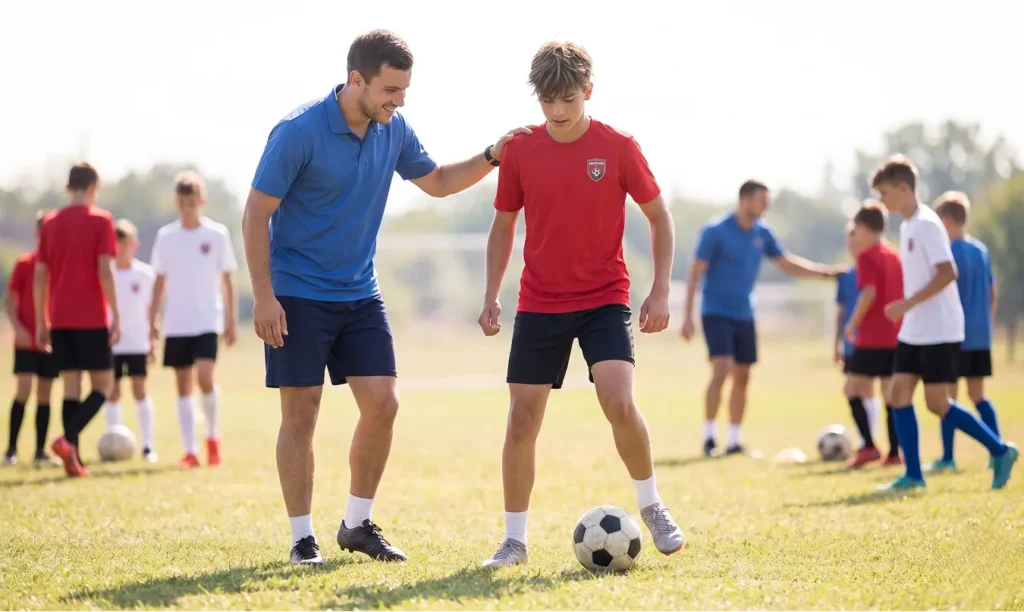
Touches on the ball are not only about dribbling. They shape many parts of a young player’s game.
- Receiving improves when players get repeated first-touch reps.
- Passing improves when players work on timing and accuracy.
- Turning becomes cleaner with more ball familiarity.
- Decision-making improves when touches happen under pressure.
- Confidence rises when players see the ball as a tool, not a problem.
This is why more touches matter so much. They do not just sharpen one narrow skill. They strengthen the player’s relationship with the game.
Takeaway: More touches help players build a wider skill base. The ball starts feeling less like something to survive and more like something to use with purpose.
Why small-sided games often lead to more touches
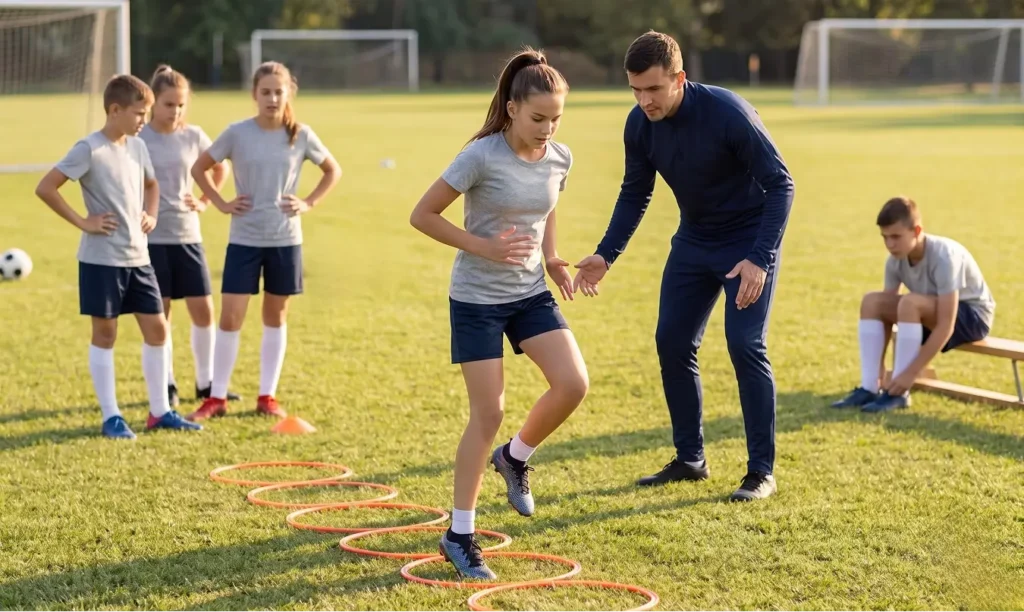
One of the best ways to help players get more involved is to use smaller games. Fewer players and tighter spaces usually mean the ball comes to each child more often.
- Players get involved in more actions per minute.
- They must pass, receive, and react faster.
- The pace keeps them mentally engaged.
- They get more chances to solve problems in motion.
- The game feels harder to hide in.
That last part matters. In larger games, some players can drift to the edges. In smaller games, they are usually part of the action much more often.
Takeaway: Small-sided games help players get more touches because the game pulls them in. That makes camp time more active and more useful.
Why can more touches help confidence too
A player who rarely touches the ball can start feeling disconnected from the game. A player who gets involved often starts feeling more comfortable taking part.
- Kids may become more willing to call for the ball.
- They often recover from mistakes faster.
- The game can feel more exciting and less intimidating.
- Players may try new actions more confidently.
- Practice starts to feel rewarding instead of frustrating.
Confidence does not always come from praise alone. Sometimes it comes from simple familiarity. The more often players work with the ball, the less foreign it feels.
Takeaway: More touches can build confidence because involvement changes how a child experiences the game. Comfort often grows from repetition.
How Charlotte Rise FC summer camps support players who want more ball reps
Charlotte Rise FC’s summer camp page says players begin with skill development play focused on passing, shooting, and ball control. From there, they move into small-sided games, dribbling circuits, accuracy training, team play practice, and high-energy practice games at the end of each day. That flow supports players who want more touches because it keeps them active in both technical work and live play.
The same page also says camps are open to boys and girls ages U5 to U19, all skill levels are welcome, and goalkeeper training is available at all camps. It adds that beginners receive encouragement and a strong foundation while advanced players are challenged with higher-level skills and tactical thinking. That makes the camp setup useful for players who simply want more chances to work on the ball at a level that fits them.
Takeaway: Players who want more touches usually need the right structure, not just more time on a field. Charlotte Rise FC’s camp format supports that with repeated reps and game-based involvement.
What parents should look for if their child wants more touches
If your child says they want the ball more, pay attention to camps that keep players active instead of spreading them too thin.
- Look for technical work built into each day.
- Look for small-sided games, not only large scrimmages.
- Look for drills that keep players moving and involved.
- Look for age-appropriate groups and adaptable coaching.
- Look for a camp that blends learning with gameplay.
Those details can make a big difference. More touches do not happen by accident. They usually come from a camp format that is designed to keep kids in the middle of the action.
Takeaway: The best camp for more touches is one that creates repeated involvement on purpose. When the setup is right, players usually feel the difference quickly.
Conclusion
Soccer summer camps support players who want more touches on the ball by giving them repeated chances to pass, receive, dribble, and play in a more active training environment. That kind of repetition can help young players feel more comfortable, more confident, and more connected to the game.
For parents, the goal is simple. Find a camp where your child will not spend half the day waiting for a chance to get involved. When players get more touches, they usually get more out of the experience, too. The game tends to teach best when players are consistently involved.
FAQs
1. Why do more touches on the ball matter for young soccer players?
More touches matter because they give players more chances to build comfort, control, and confidence in real situations. Repetition helps the game feel less rushed and more familiar over time. Families looking at Charlotte Rise FC summer camps will see that the camp format is built around repeated skill and game-based work.
2. How do summer soccer camps help kids get more touches on the ball?
Summer soccer camps help by building technical work, small-sided games, and practice play into each day. That structure gives players more direct involvement than they may get in a larger match setting. The same idea is explored in Charlotte Rise FC’s post on soccer small-sided games, where frequent involvement supports development.
3. Do more touches help with confidence in soccer?
Yes. Players often feel more confident when they are regularly involved instead of waiting on the edges of play. More ball contact helps the game feel more natural. You can see that link between skill repetition and self-belief in Charlotte Rise FC’s article on youth soccer confidence and skill development.
4. Are summer camps better than games for getting more ball reps?
They can be, especially when the camp includes skill work and smaller games that keep players engaged. A camp setting can create many more repeated actions in a short time. Charlotte Rise FC’s camps overview helps show how camp structure is built around player development instead of match results.
5. What should parents look for if their child wants more time on the ball?
Look for camps with technical training, small-sided games, age-appropriate groups, and a format that keeps players moving. Those features usually lead to more useful involvement. Parents comparing weeks and times can use the camp registration form to choose the option that fits best.
6. Can beginners benefit from a camp focused on more touches?
Yes. Beginners often benefit a lot because more touches help the ball feel less intimidating and more familiar. That can make learning easier and more enjoyable. Charlotte Rise FC’s article on how Charlotte Rise FC supports first-time soccer players fits well with that beginner-friendly approach.
7. Do more touches help with passing and decision-making too?
Yes. More touches do not only help dribbling. They also support passing, receiving, turning, and reacting under pressure. That broader impact is one reason Charlotte Rise FC’s youth soccer skill development content ties technical growth to overall player progress.

Did you find this useful?

LATEST BLOGS



Hello! I simply would like to offer you a huge thumbs up for your excellent information you have right here on this post. I will be coming back to your blog for more soon.