


What Soccer Tryouts Can Teach Kids About Growth and Resilience

CRFC BLOGS
LATEST BLOGS & NEWSLETTERS
What Soccer Tryouts Can Teach Kids About Growth and Resilience
Soccer tryouts can feel huge in a child’s world. New coaches, new teammates, and the pressure of being evaluated can make one session feel bigger than it really is. But tryouts can teach something that lasts longer than one season. They can teach kids how to grow through challenge.
Charlotte Rise FC’s public tryouts page says its free sessions mirror real Academy training for boys and girls ages U8 to U16, with players evaluated on touch, vision, and work-rate for the 2026 to 2027 season at Ballantyne Ridge High School. That kind of setup naturally puts kids in a setting where they must respond, adjust, and keep going.
Growth and resilience do not usually show up in perfect moments. They show up in the messy ones. They show up after a mistake, after a slow start, or after a hard session when a child chooses to keep going anyway.
Tryouts Teach Kids That Nerves Are Normal
Most kids feel nervous before tryouts. That is not a warning sign. It is often a sign that the moment matters to them. Learning to move forward with those nerves is part of growth.
- Kids learn that feeling nervous does not mean they are not ready.
- They learn that many players feel the same way.
- They learn that confidence often grows after action, not before it.
- They learn that hard things can still be worth doing.
- They learn that nerves can come along without taking over the whole day.
Takeaway: Growth often starts when a child realizes nerves are normal. A player does not need to feel fearless to keep moving forward. They just need to stay in the moment and keep competing.
Tryouts Show That Mistakes Are Part of Learning
One bad touch or one missed pass can feel huge to a child. Parents feel it too. But soccer is full of imperfect moments, and tryouts can teach kids that one mistake does not define the whole session.
Since Charlotte Rise FC publicly says it evaluates touch, vision, and work-rate, the process already points beyond perfection and toward how a player responds inside the session.
- Kids learn that mistakes happen to everyone.
- They learn that the next play matters more than the last one.
- They learn to recover instead of freezing.
- They learn that coaches notice response, not only mistakes.
- They learn that effort after a problem still counts.
Takeaway: Resilience grows when kids stop treating mistakes like the end of the story. A mistake is often just the next lesson in soccer shoes.
Tryouts Help Kids Separate Effort From Outcome
This may be one of the hardest lessons in youth sports. A child can work hard, listen well, and still leave unsure about the outcome. That can sting, but it also teaches a deeper kind of strength.
Charlotte Rise FC’s Academy Teams page describes a structured program focused on skill development, teamwork, ball mastery, and competitive play, with a year-round approach from August to May. That matters because it frames growth as something built over time, not in one night.
- Kids learn that effort still matters when results are uncertain.
- They learn to focus on what they can control.
- They learn that growth is bigger than one event.
- They learn that one result does not define their identity.
- They learn to keep working even when answers are not immediate.
Takeaway: Real resilience grows when kids learn to value effort, not just instant results. That lesson matters on the field and far beyond it.
Tryouts Teach Coachability in Real Time
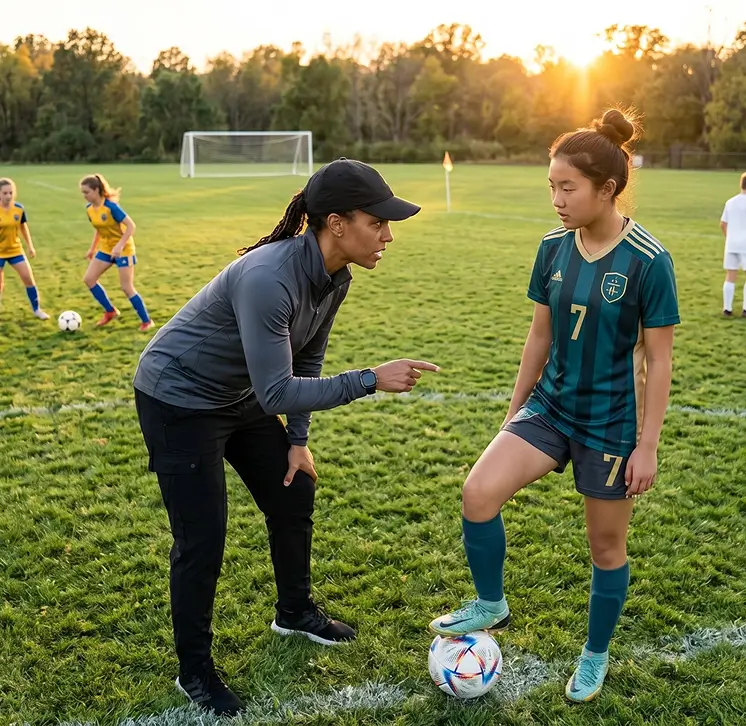
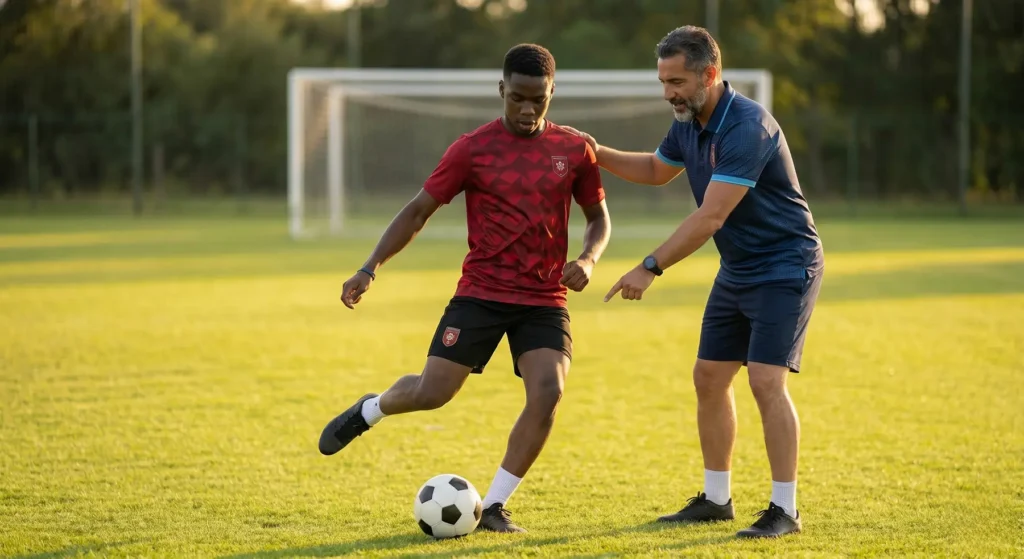
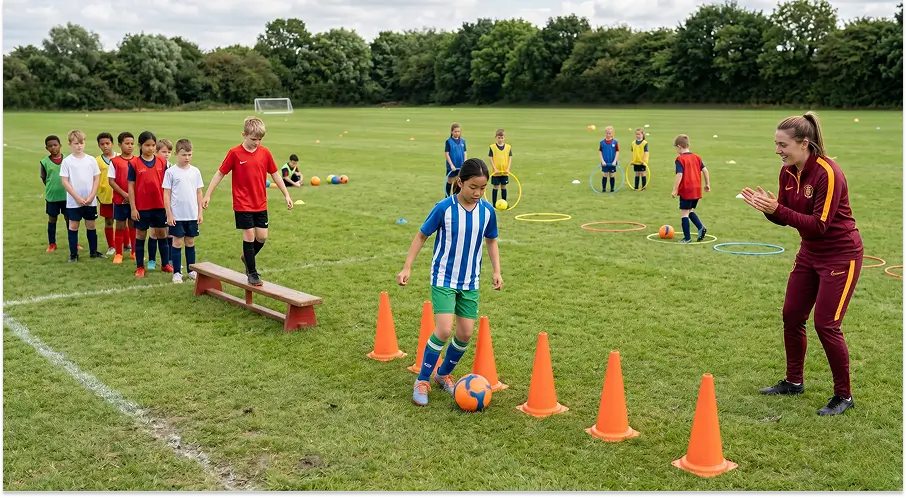
Growth is not only about trying hard. It is also about learning how to take feedback. In a tryout setting, kids hear corrections, adjust to new drills, and respond to new expectations. That can teach them a lot about what progress really looks like.
Charlotte Rise FC says its tryout sessions mirror real Academy training. That makes coachability a natural part of the environment.
- Kids learn to listen under pressure.
- They learn to adjust without taking feedback personally.
- They learn that being corrected is part of improving.
- They learn to stay engaged after hearing something hard.
- They learn that progress often starts with one small adjustment.
Takeaway: A resilient player is not only one who works hard. It is one who keeps learning. Coachability turns pressure into progress.
Tryouts Can Help Kids Handle Comparison Better
Tryouts make comparison easy. Kids look around and quickly notice who seems faster, louder, or more confident. That can rattle them. But it can also teach a healthy lesson: competing does not mean losing yourself in comparison.
Charlotte Rise FC’s About Us page says the club is built around development, character, and confidence, and describes a culture built on hard work, belonging, and progress. That kind of public message supports a healthier view of competition.
- Kids learn to focus on their own job.
- They learn to respect other players without shrinking.
- They learn that comparison can distract from effort.
- They learn that steady play matters more than sideline panic.
- They learn to compete with awareness instead of fear.
Takeaway: Growth gets stronger when kids stop measuring every second against someone else. The field gets a lot clearer when they stay connected to their own game.
Tryouts Can Build Self-Awareness
Pressure reveals habits. Some kids discover they settle faster than they expected. Others learn they need a better reset after mistakes. Some realize they want more challenge. Others learn they still need time.
Because Charlotte Rise FC’s current tryout schedule runs across multiple dates for boys and girls, players get more than one chance to notice how they respond in the environment.
- Kids learn how they react to pressure.
- They learn what helps them reset.
- They learn what kind of challenge energizes them.
- They learn where they need more growth.
- They learn that self-awareness is part of getting better.
Takeaway: Growth becomes easier when kids understand themselves better. Tryouts can reveal more than ability. They can reveal patterns.
Tryouts Can Teach Kids How to Bounce Back After Disappointment
Not every child leaves a tryout feeling great. Some feel unsure. Some feel frustrated. Some may not hear the outcome they wanted. That is hard, but it is also part of real development.
Charlotte Rise FC’s About Us page says the club supports development, character, and confidence, and its Academy program describes a long-term path built on training and growth. That bigger view matters during tryout season.
- Kids learn that disappointment is real, but temporary.
- They learn that one event does not close every door.
- They learn that they can come back stronger.
- They learn to process hard feelings without quitting.
- They learn that progress is rarely a straight line.
Takeaway: Resilience is not pretending disappointment does not hurt. It is learning how to carry it without letting it write the whole ending.
What Parents Can Learn From This Too
Tryouts not only teach kids. They teach parents how to support growth in a better way. When parents shift from “Did my child impress everyone?” to “What did my child learn from this?” the whole experience becomes steadier.
Charlotte Rise FC’s public mission highlights development, character, and confidence, while the club says families are part of the journey through transparent communication, education, and shared values.
- Praise effort and response.
- Keep post-tryout conversations calm.
- Avoid turning the car ride home into a replay booth.
- Focus on lessons, not only outcomes.
- Treat the process as part of long-term development.
Takeaway: Kids build resilience faster when parents support the process, not just the result. Sometimes the best thing a parent can do is be the calm in the storm.
Conclusion
Soccer tryouts can teach kids much more than whether they made a team. They can teach kids how to handle nerves, recover from mistakes, take feedback, and keep moving after disappointment. Those lessons shape more than a season. They shape the way a child approaches a challenge.
For families looking at Charlotte Rise FC, the public tryouts process already reflects that bigger picture through free, Academy-style evaluations across multiple dates, with coaches watching touch, vision, and work-rate. That means tryouts are not only about selection. They are also about growth. And that may be the lesson that sticks the longest.
Frequently Asked Questions
1. What can kids really learn from soccer tryouts besides making a team?
Kids can learn how to handle nerves, recover after mistakes, and keep working even when the result feels uncertain. Those lessons often matter as much as the roster outcome. That is one reason the structure of Charlotte Rise FC tryouts can be valuable for families thinking about long-term growth.
2. How do tryouts help build resilience in young soccer players?
Tryouts create a setting where kids have to respond to pressure, feedback, and imperfect moments in real time. That process can help them build resilience by learning to reset and keep going. The same long-view mindset also connects well with growth mindset building in young players.
3. Can a child still grow from tryouts even if the experience feels hard?
Yes. Hard moments are often where growth starts, especially when a child learns how to respond instead of shutting down. A difficult session can still teach focus, self-awareness, and recovery. That idea fits naturally with youth soccer player development, where progress builds over time.
4. Why do mistakes during tryouts still have value?
Mistakes can teach players how to reset, stay engaged, and move on to the next play instead of spiraling. Coaches often learn a lot from how a player responds after something goes wrong. That kind of learning also lines up with what strong youth soccer coaches help players do in training.
5. How can parents support growth and resilience during tryout season?
Parents help most when they keep the tone calm, focus on effort, and avoid treating one session like a final judgment. A child usually learns more when the support stays steady and simple. That approach fits well with how to support your child in soccer.
6. Does a multi-date tryout process help kids grow more than a one-day event?
In many cases, yes, because repeated sessions give kids more chances to settle in, adjust, and show what they learn from one session to the next. That can support both confidence and resilience. It also matches the value of repeated effort discussed in why repetition matters more than results in beginner soccer.
7. Why does resilience matter so much in a competitive soccer environment?
Resilience matters because development is rarely smooth. Players need to handle corrections, setbacks, and pressure without losing their connection to the game. In a structured setting like Academy Teams, that ability can support long-term growth much more than one perfect session.

Did you find this useful?

LATEST BLOGS