


Why Summer Is a Smart Time to Build Ball Control in Young Soccer Players

CRFC BLOGS
LATEST BLOGS & NEWSLETTERS
Why Summer Is a Smart Time to Build Ball Control in Young Soccer Players
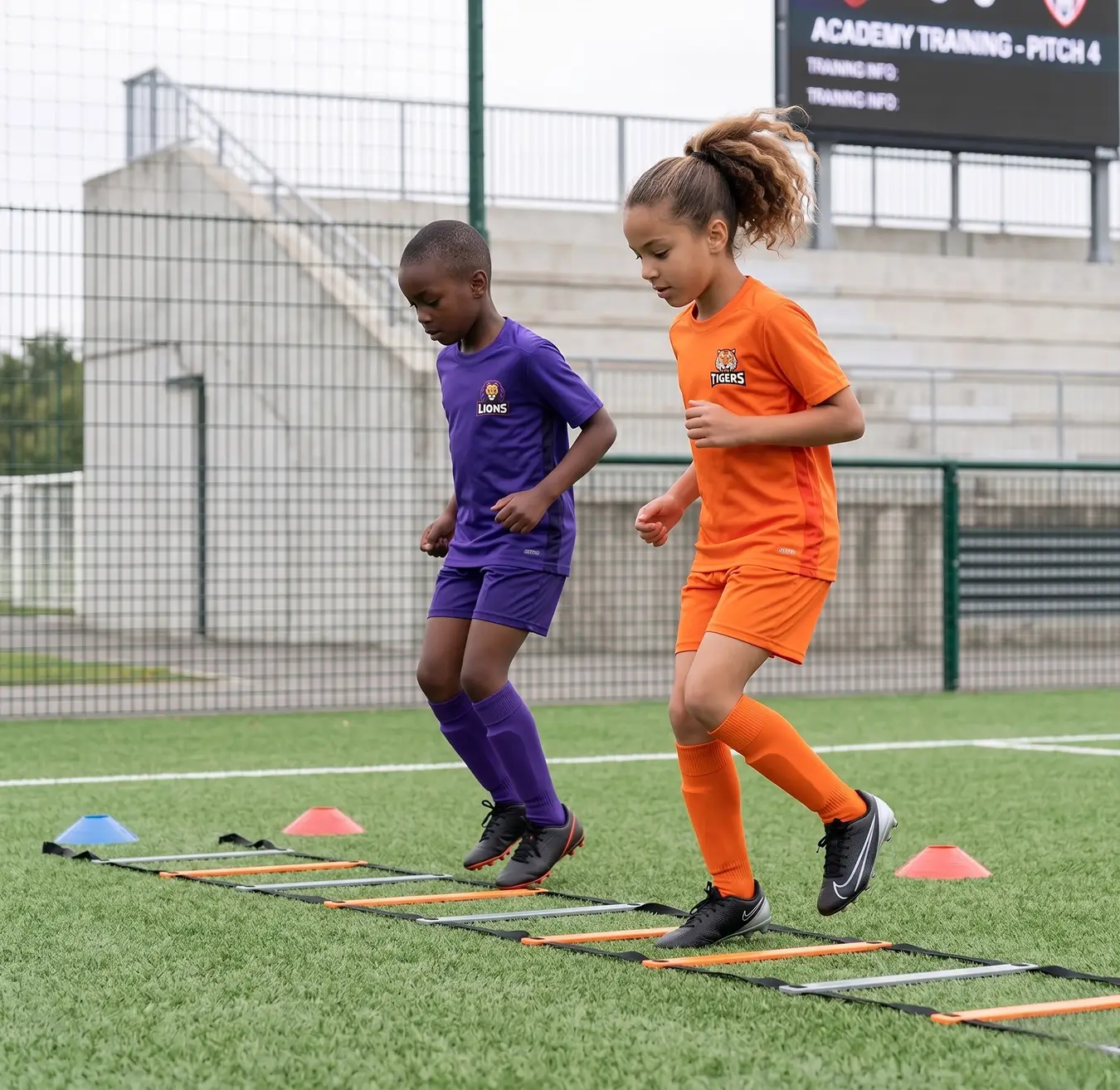
Ball control sits at the center of almost everything a young soccer player does. A cleaner first touch impacts passing, dribbling, shooting, and decision-making. When the ball settles quickly, the game slows down, and players gain confidence. Summer is one of the best times to build that foundation. With fewer game pressures and more time to train, players can focus on repetition, technique, and developing comfort on the ball in a structured environment.
Why ball control matters so much for young players
Young players do not need advanced moves to succeed.They need consistency, timing, and confidence when receiving the ball.
- Better ball control helps players keep possession longer.
- It makes passing and receiving feel cleaner.
- It gives players more time to make decisions.
- It can reduce panic in tight spaces.
- It helps the game feel slower and more manageable.
Many mistakes in youth soccer start with a poor first touch—not a bad decision. Improving ball control often cleans up multiple areas of a player’s game at once.
Why summer is such a good window for skill-building
Summer gives players something the middle of a season often does not: breathing room. That makes it easier to focus on a core skill like ball control without the pressure of constant game results.
- Players can get more repeated touches across several days.
- Coaches have more time to focus on development.
- Camp sessions can build skill work into a clear rhythm.
- Kids can work without the stress of weekend performance.
- Consistent reps can help habits settle in faster.
That kind of environment is useful for young players. Learning ball control takes repetition, but repetition works best when it has structure and purpose.
How camps help players build ball control step by step
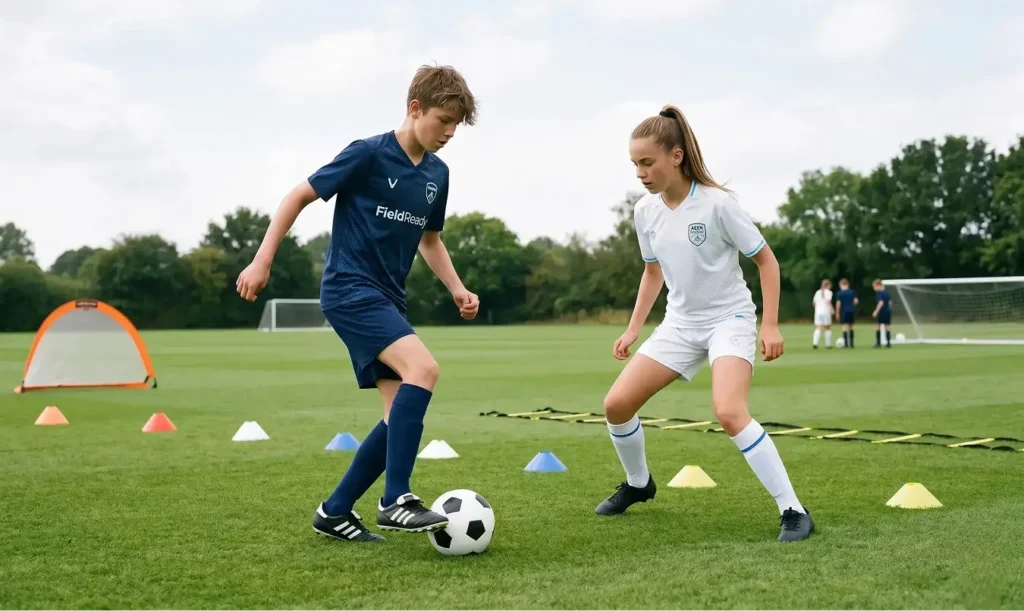
A strong summer camp does not treat ball control like a one-time lesson. It builds it through repeated actions that show up in different parts of the session.
- Players work on passing and receiving during skill development.
- Dribbling circuits help them stay close to the ball.
- Small-sided games create pressure and quick touches.
- Accuracy work helps sharpen control with intent.
- Practice games give players chances to apply the skill in motion.
This matters because ball control is not only about cones and isolated touches. It needs to hold up when teammates, defenders, and real decisions enter the picture.
Takeaway: Camps help ball control improve when they move from technical reps into game play. That is where touches start becoming useful, not just tidy.
Why do younger players benefit from repetition?
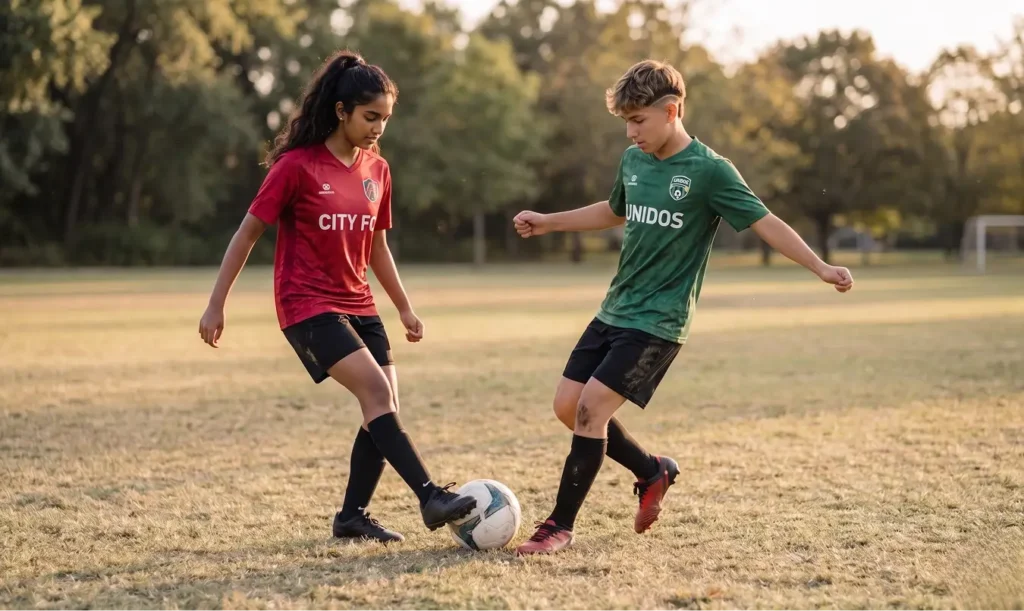
Ball control is especially important for younger players because it shapes how comfortable they feel in the sport early on. If the ball always feels like it is bouncing away, soccer can start feeling frustrating.
- Repeated touches help younger players build familiarity.
- Simpler drills can make the ball feel less intimidating.
- Clear coaching helps kids know what to fix.
- Small wins can build confidence quickly.
- Better comfort on the ball often leads to better engagement.
That is why summer camps can be so helpful. They give younger players a chance to build comfort without needing to master everything at once.
Why ball control training helps more than dribbling
When parents hear ball control, they often picture dribbling first. That is part of it, but the value goes further than that.
- Players can receive passes more cleanly.
- They can adjust faster before taking the next action.
- They become harder to rush under pressure.
- They often move the ball with more purpose.
- They can connect technique to smarter decisions.
In other words, ball control helps players do more than look neat on the ball. It helps them function better inside the game.
How Charlotte Rise FC summer camps support ball control development
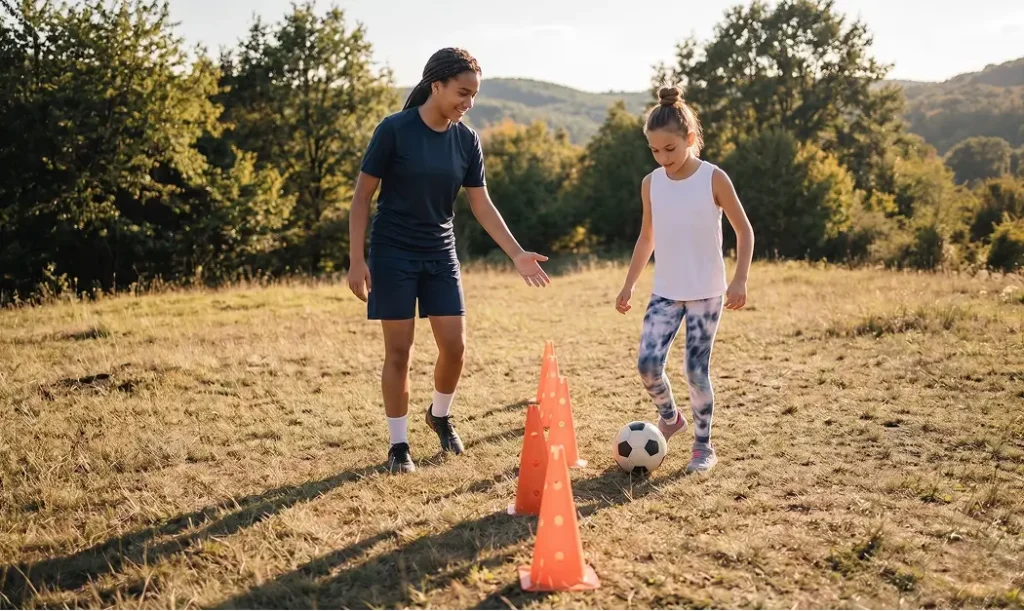
Charlotte Rise FC’s summer camp page says players begin with skill development play that refines passing, shooting, and ball control. From there, players move into small-sided games, dribbling circuits, accuracy training, team play practice, and high-energy practice games at the end of each day. That training flow works well because it gives players both repetition and application.
The same page also says camps are open to boys and girls U5 to U19, all skill levels are welcome, and goalkeeper training is available at all camps. It adds that camps are designed for all players, with beginners receiving encouragement and a strong foundation while advanced players are challenged with higher-level skills and tactical thinking. That kind of setup makes ball control work well for a wide range of players.
What parents should look for in a camp if ball control is a priority
If your child needs cleaner touches and more comfort on the ball, look for a camp that gives ball control real attention instead of treating it like a warm-up.
- Skill development should be part of the daily session.
- Players should get repeated touches in different ways.
- Camp drills should lead into live game situations.
- Coaches should work with all skill levels.
- The environment should feel active but not overwhelming.
That combination matters. Ball control improves through volume, but it also improves through quality. Kids need touches, guidance, and enough structure to keep the work meaningful.
Takeaway: The best camp for ball control is one that gives players repeated touches with purpose. More reps help, but better reps help more.
Conclusion
Summer is a smart time to build ball control in young soccer players because it gives them space to work on one of the most important parts of the game. With repeated touches, steady coaching, and game-based practice, players can start feeling calmer, cleaner, and more confident on the ball.
For parents, that matters because ball control often changes more than one skill. It can help your child perform better, move better, and enjoy the game more. And when a player starts feeling comfortable with the ball at their feet, soccer usually gets a lot more fun for everyone watching from the sideline, too.
FAQs
1. Why is summer a good time to improve ball control in soccer?
Summer gives young players more room to focus on technical growth without the pressure of weekly games. That makes it easier to build cleaner habits through repeated touches and steady coaching. Families looking at Charlotte Rise FC summer camps will see that ball control is part of the core camp training structure.
2. How do summer soccer camps help kids build better ball control?
Summer soccer camps help by giving players repeated reps in passing, receiving, dribbling, and game-like situations. That mix helps the skill stick instead of staying trapped inside drills. The same idea shows up in Charlotte Rise FC’s post on youth coach guide of ball control, where strong touches support wider development.
3. Is ball control more important than dribbling for young players?
Ball control and dribbling are closely connected, but ball control often supports more parts of the game because it affects receiving, passing, and decision-making too. A player who settles the ball well usually has more options. That is one reason soccer dribbling drills for youth work best when control is part of the bigger picture.
4. Can beginners improve ball control at summer camp?
Yes. Beginners often improve a lot when they get simple, repeated touches in a low-pressure setting. Summer camps can help the ball feel less intimidating and more familiar over time. Charlotte Rise FC’s camps overview also makes clear that camp options are open to all skill levels, which supports beginner-friendly development.
5. What should parents look for in a camp if their child needs better ball control?
Look for daily skill work, repeated touches, game-based learning, and coaching that matches your child’s level. Those pieces usually help ball control improve in a way that carries into real play. Parents comparing weeks can use the camp registration form to find an option that fits their schedule.
6. Does better ball control help with confidence in soccer?
Yes. When players feel more settled on the ball, they often feel calmer and more willing to try things during play. That can make the whole game feel less rushed. You can see that link between comfort and development in Charlotte Rise FC’s article on youth soccer confidence and skill development.
7. Do Charlotte Rise FC summer camps work for both beginners and advanced players, building ball control?
Yes. Charlotte Rise FC says its summer camps are designed for all players, with beginners receiving encouragement and a strong foundation while advanced players are challenged in more demanding ways. That broader player fit matches the club’s about us approach, which centers on growth and development.

Did you find this useful?

LATEST BLOGS