


How to Keep Your Child Motivated During Winter Soccer Training

CRFC BLOGS
LATEST BLOGS & NEWSLETTERS
How to Keep Your Child Motivated During Winter Soccer Training
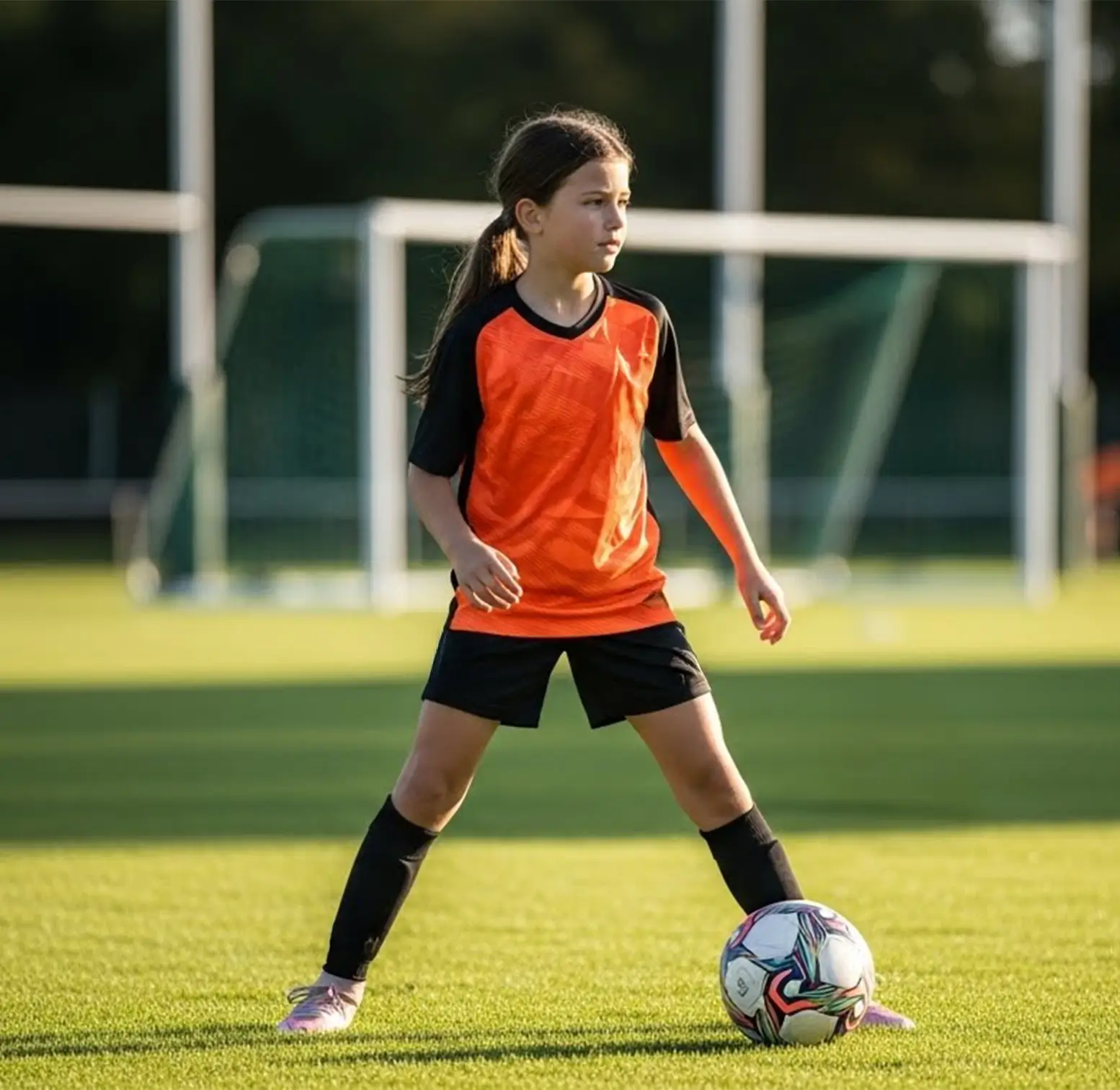
Cold weather can challenge even the most enthusiastic young soccer players. Motivation drops when temperatures fall, and training can feel tougher mentally and physically. Yet winter is also a season full of opportunity. It helps kids build discipline, confidence, and stronger habits that carry into spring.
Parents play a major role in helping children stay motivated and excited about training during the colder months.
Why Cold-Weather Training Feels Hard for Kids
Understanding the Mental Challenge
Cold weather affects a child’s comfort, energy, and attitude. When the body feels cold, motivation naturally decreases. Recognizing this helps parents respond with patience and encouragement instead of frustration.
- Kids feel uncomfortable at first.
- Movement takes longer to warm up.
- Energy drops faster in chilly weather.
- Focus becomes harder to maintain.
- Confidence decreases when skills feel slower.
Cold-weather challenges are normal, and kids can overcome them with support and consistent routines.
How to Build Motivation Before Each Session
Preparation Helps Kids Feel Ready
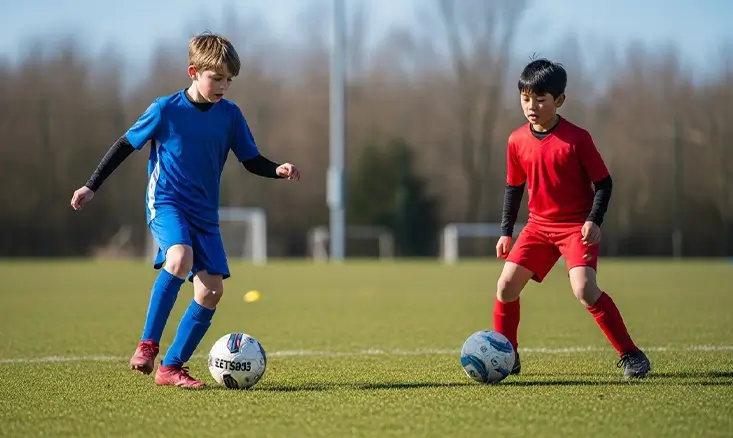
Motivation increases when kids feel prepared. A clear routine helps them know what to expect and keeps their mind positive before training. Many of these habits match the progress seen in habits for soccer success.
- Set a simple pre-training routine.
- Dress in warm layers for comfort.
- Arrive early to adjust to the temperature.
- Keep energy high with a healthy snack.
- Use positive words before stepping onto the field.
Preparation makes the start of training smoother and more enjoyable.
How Parents Can Make Winter Training Fun
Create a Positive Experience
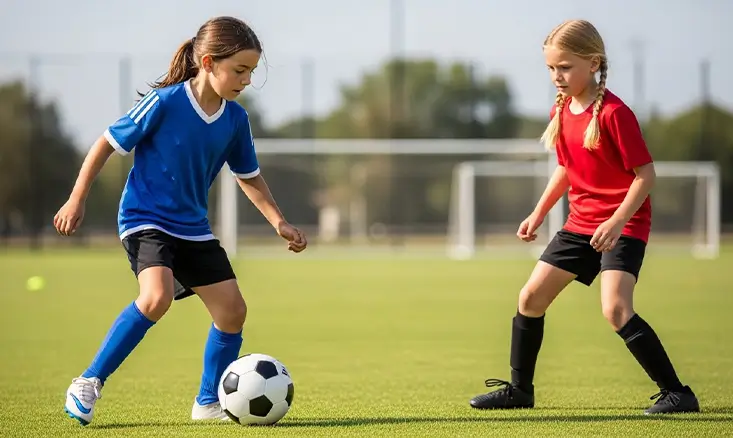
Kids stay motivated when training feels fun. Cold weather does not have to reduce excitement. Small adjustments can help players look forward to every session.
- Celebrate small improvements.
- Play music during the drive to practice.
- Add fun warm-up games at home.
- Keep gloves, hats, and warm socks ready.
- Build excitement about seeing teammates.
Fun moments help kids associate winter training with enjoyment instead of discomfort.
How Coaches Help Keep Players Engaged
Supportive Coaching Makes a Difference
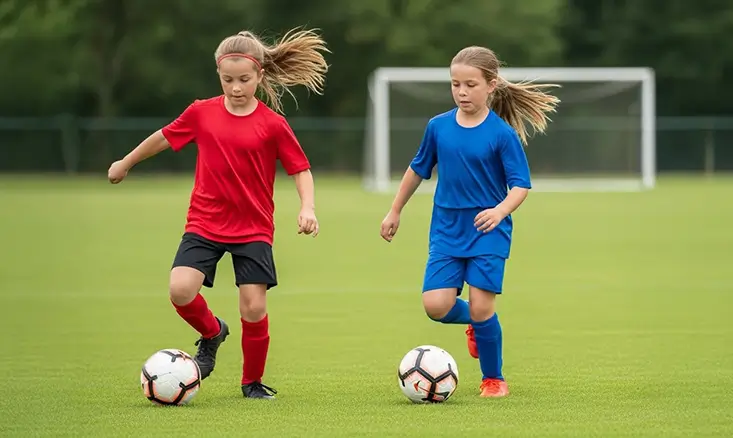
Coaches play a key role in keeping children motivated during winter. Encouraging words and creative drills help kids stay focused. This coaching style reflects our youth coaching philosophy.
- Provide more positive reinforcement.
- Use warm, energetic drills.
- Adjust pace to help players stay active.
- Keep players moving to stay warm.
- Offer feedback that builds confidence.
Warm coaching energy helps kids push through the cold.
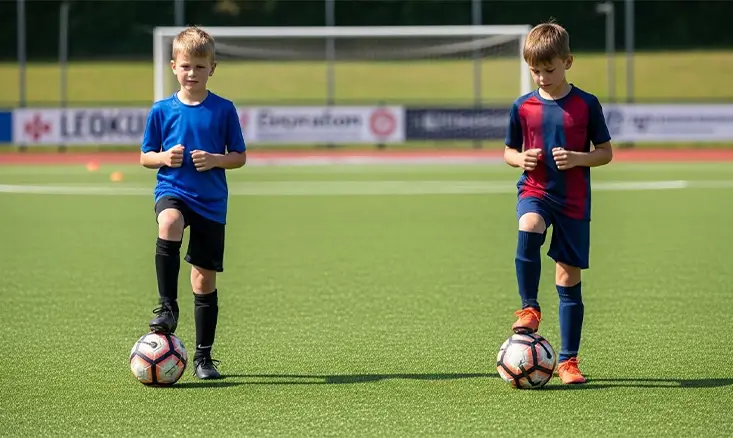
How Parents Can Encourage a Strong Mindset During Winter
Mindset Matters in Cold Conditions
A strong mindset helps kids stay confident even when conditions are tough. Parents can support this by focusing on effort, not perfection. Many of these ideas mirror the growth seen in growth mindset development.
- Praise effort rather than outcomes.
- Talk about staying strong in tough weather.
- Remind children that progress takes time.
- Encourage brave attempts without fear.
- Keep the tone positive after each session.
Motivation grows when kids believe in their ability to improve.
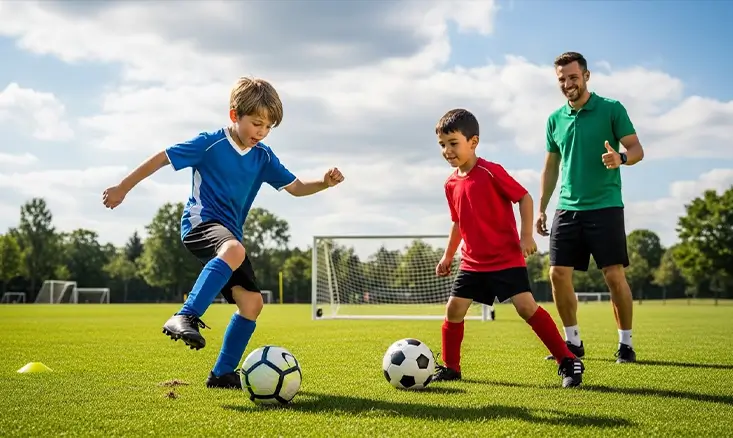
Why Winter Training Builds Long-Term Benefits
Cold Weather Strengthens Character
Kids who stick with winter training develop resilience and strong habits that help them in spring. Parents often notice improvements in confidence, discipline, and performance. This steady progress can be seen through measuring a child’s soccer development.
- Better focus and attention.
- Higher confidence in tough conditions.
- Stronger discipline and commitment.
- Improved consistency in movement.
- More pride in overcoming challenges.
Winter becomes a season of growth that lasts long after the cold is gone.
Conclusion
Cold weather can test a young player’s motivation, but it also creates opportunities for growth. With the right support, preparation, and encouragement, kids learn to stay focused, confident, and excited about training. Parents play a powerful role in helping children build resilience and enjoy soccer even when the temperature drops.
Charlotte Rise FC winter programs help young athletes stay motivated and grow through the colder season.
FAQs
How can I keep my child motivated when it is cold outside?
Motivation improves when kids feel supported, warm, and prepared. Parents can use positive words, build a pre-training routine, and celebrate small wins. These techniques mirror the steady progress seen in growth mindset development, where consistent encouragement helps kids stay confident during challenging conditions.
What should my child wear during cold-weather training?
Dress your child in layers, including gloves, warm socks, and a light hat. Comfort keeps motivation high. Staying warm also helps players move better and avoid early fatigue. Many families also use routines inspired by habits for soccer success to prepare kids mentally and physically before training.
Does cold-weather training actually help players improve?
Yes. Cold weather training builds discipline, focus, and resilience. Players learn to stay calm and strong even when conditions feel difficult. These benefits contribute to long-term progress seen in measuring a child’s soccer development, where growth is tracked across different seasons.
How do coaches help kids stay motivated during the winter season?
Coaches use positive reinforcement, warm drills, and engaging activities to keep kids energized. They provide encouragement and clear guidance that helps players feel confident. This approach aligns with our youth coaching philosophy, which focuses on supportive communication and strong motivation.
What can parents do before training to improve motivation?
Create a simple pre-training routine that includes warm clothing, a healthy snack, and positive conversation. Arriving early also helps kids adjust to the temperature. These steps work well alongside the structured habits used in habits for soccer success, which build motivation through consistency.
Does winter training help with confidence in spring?
Absolutely. Kids who stay active in winter enter spring with better habits and stronger self-belief. They feel prepared and confident during early practices. This improvement is often noticed when measuring a child’s soccer development, which highlights steady progress made during the colder months.

Did you find this useful?

LATEST BLOGS