


Why Winter Is the Perfect Soccer Season to Improve Weak Foot Skills

CRFC BLOGS
LATEST BLOGS & NEWSLETTERS
Why Winter Is the Perfect Soccer Season to Improve Weak Foot Skills
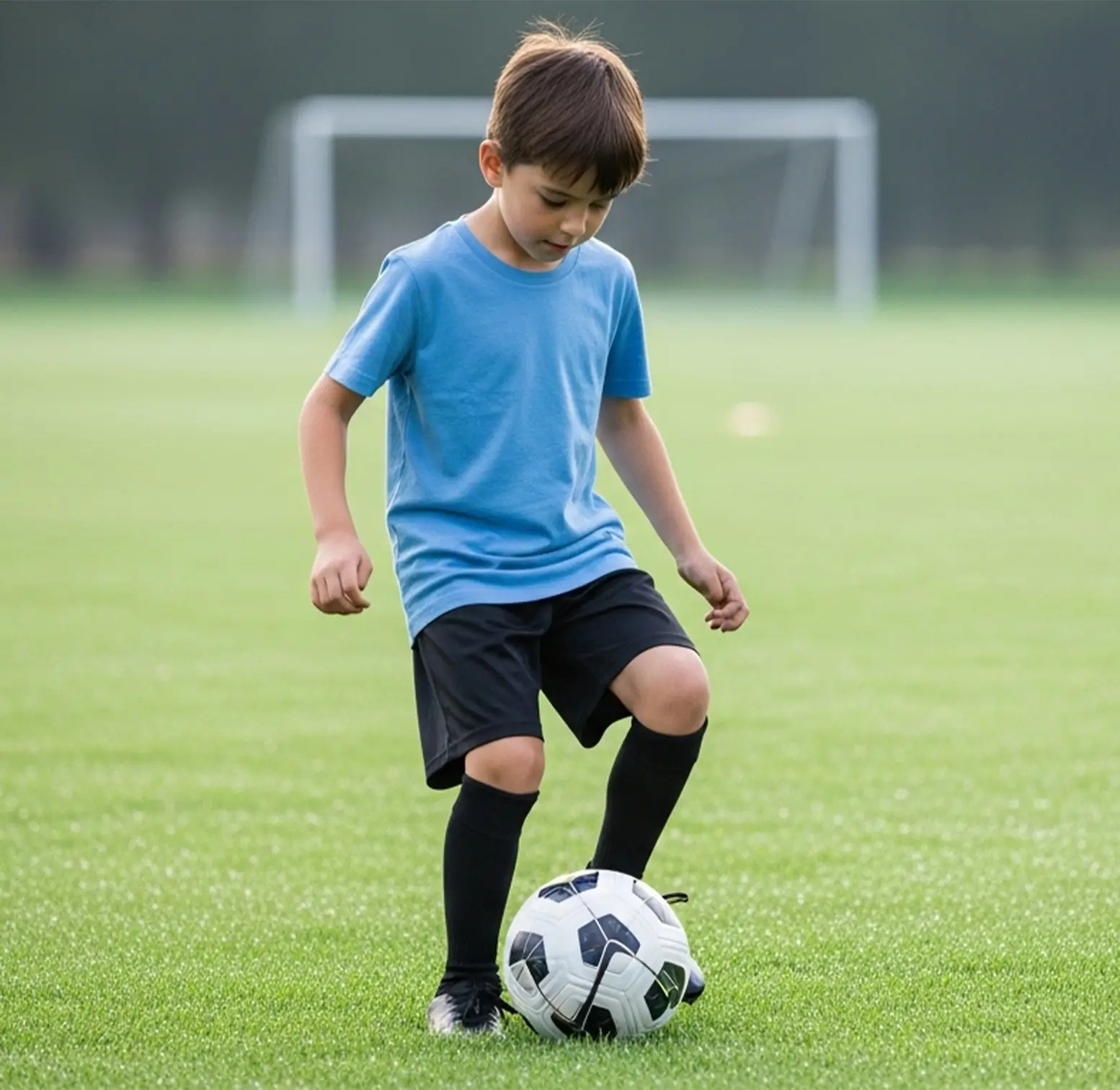
Winter offers a unique window for youth soccer development. As the outdoor season slows down, training naturally shifts from constant games to focused skill work. This makes winter the best season for young athletes to strengthen their weak foot without pressure or distraction.
A stronger weak foot boosts confidence, improves balance, and enhances overall game intelligence. When players can pass, dribble, and shoot with both feet, they make faster decisions and perform better in tight spaces.
Below is how winter helps that process grow faster.
Why Winter Training Gives Kids a Weak Foot Advantage
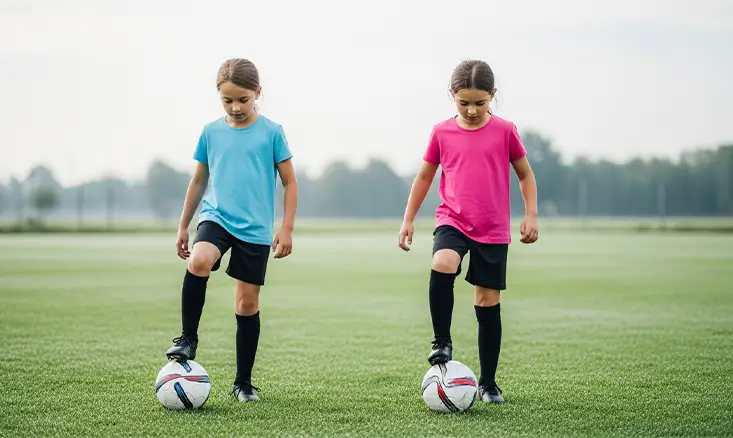
Winter allows players and coaches to slow down and train with intention. With fewer games, less rushing, and more time for controlled sessions, weak footwork gets the attention it deserves.
Why Winter Helps Weak Foot Growth
- Less game load means more time for slow, focused touches.
- Coaches can isolate technique during indoor or winter sessions.
- Repetition becomes easier because winter drills use tight spaces.
- Kids feel less pressure to perform and more freedom to try new skills.
- Winter training encourages habit-building through consistent patterns.
Weak foot training thrives when kids can relax, experiment, and repeat skills with purpose. Winter creates exactly that environment.
The Science Behind Weak Foot Training
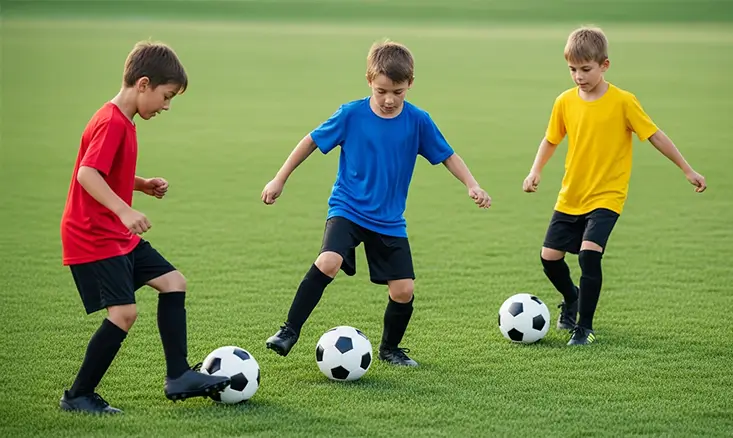
Skill learning improves dramatically when intensity decreases and repetition increases two things that winter training provides naturally. With controlled workloads, the brain and muscles can absorb new patterns more effectively.
Key Science Insights
- Lower intensity helps the brain store new movement patterns.
- Repetitive touches strengthen neural pathways.
- Indoor surfaces encourage cleaner mechanics.
- Slower sessions allow for real correction and coaching.
- Balanced development reduces injury risk long-term.
Weak foot improvement happens when the brain and body slow down enough to learn. Winter gives kids the perfect pace to build better technique.
Winter Drills That Make a Real Difference
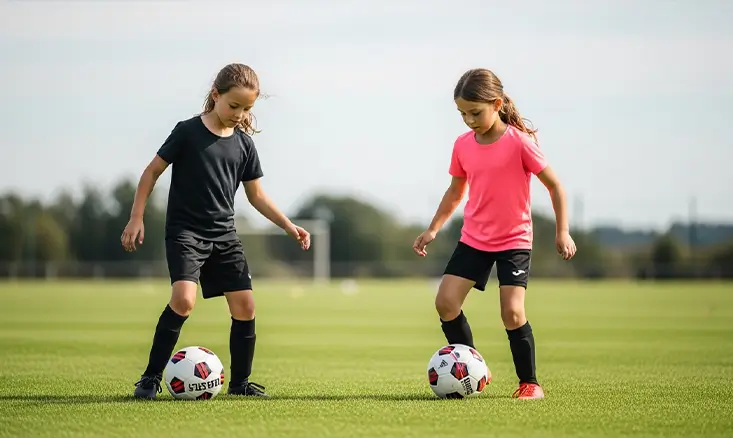
Charlotte Rise FC’s winter sessions focus on controlled touches and small-area exercises ideal for weak-foot growth. These drills help players sharpen their technique without feeling rushed.
Effective Weak Foot Drills
- Light wall passing with slow, controlled touches.
- Toe taps and ball taps using only the weak foot.
- Slow dribbling patterns in a four-cone box.
- Simple inside foot finishing from a short distance.
- Partner passing at increasing distances.
A winter routine with slow repetition builds comfort and confidence. It is not about speed but about steady consistency.
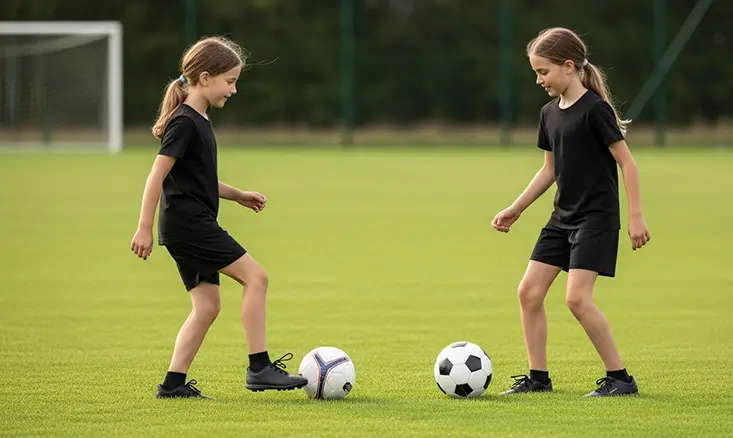
Why Indoor Futsal Supports Weak Foot Growth
Futsal is one of the most powerful tools for balanced footwork. Its fast pace and tight spaces force both feet to stay active, creating natural opportunities for weak-foot touches.
Futsal Benefits for Weak Foot Skills
- Constant small touches improve control.
- Hard courts give instant feedback on technique.
- Players receive the ball more often under pressure.
- Tight spaces require both feet for balance.
- Weak-foot passing becomes natural in small-sided play.
Indoor futsal builds comfort with the weak foot through constant involvement. More touches mean faster improvement.
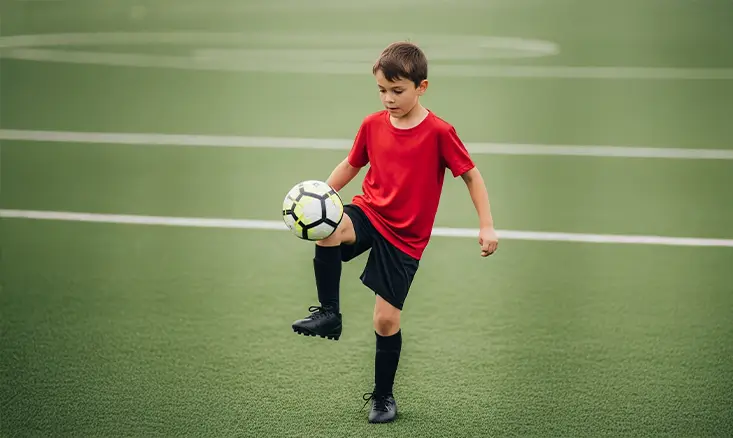
How Parents Can Support Weak Foot Growth at Home
Players grow faster when parents support training with simple routines. Winter creates perfect opportunities for fun at-home skill work.
Parent-Friendly At-Home Ideas
- Light passing in the living room or garage
- Dribbling through cones made from household items
- One-minute weak-foot juggling challenges
- Short-range finishing against a wall with softballs
- Fun passing patterns during commercial breaks
Small, fun daily touches help young players grow quickly. Parents play a major role in confidence-building.
Conclusion
Winter gives young players a chance to slow down, rebuild technique, and strengthen skills they ignore during busy seasons. Weak foot growth thrives during this time because kids get more touches, more coaching detail, and less pressure.
Charlotte Rise FC winter programs help players build balanced skill sets that translate into stronger spring performance and higher confidence every time they touch the ball.
FAQs
Why is winter the best time for weak-foot training?
Winter gives players a calmer schedule and more time for focused repetition. Reduced match load helps kids slow down and build better mechanics. This matches the steady improvement players gain during winter indoor futsal training that builds tighter control and balanced footwork.
How often should a young player practice with their weak foot during winter?
Five to ten minutes a day is enough to build confidence with their weak foot. Winter helps kids stay consistent with simple at-home routines. Parents who want to build these habits can follow the habits for soccer success that make daily practice feel natural and motivating.
Does futsal help improve weak foot performance?
Yes. Futsal pushes players to react quickly, control the ball in tight spaces, and use both feet with confidence. These same benefits show up clearly in first-touch futsal training, which strengthens control and balance under pressure.
Can beginners improve weak foot skills during winter training?
Absolutely. Beginners grow fast during winter because sessions focus on slow touches and simple drills that build confidence. This supportive approach is the same method used in our beginner soccer camps that helps new players feel comfortable right away.
Should players focus more on passing or shooting with their weak foot?
Passing comes first because it builds clean technique and steady control. Shooting improves naturally once passing feels comfortable. Our coaches focus on accurate passing technique during the winter because it creates a strong foundation for better finishing.
How do coaches support weak-foot development at Charlotte Rise FC?
Coaches use small-sided games, balanced repetition, and clear feedback to help players strengthen both feet. Winter sessions give more space for detail and correction. This matches the standards in our youth coaching philosophy that prioritizes confident, two-footed development.

Did you find this useful?

LATEST BLOGS