


The Role of Winter Camps in Long-Term Player Development

CRFC BLOGS
LATEST BLOGS & NEWSLETTERS
The Role of Winter Camps in Long-Term Player Development
Winter is one of the most important seasons in a young player’s development. With fewer matches and more controlled sessions, players can focus on technical growth without pressure. Winter camps offer a learning environment where kids improve fundamentals, grow confidence, and build habits that carry into every future season.
These long-term benefits help players move from beginners to confident, capable athletes over time.
Why Winter Camps Support Sustainable Growth
Why Winter Creates the Right Learning Environment
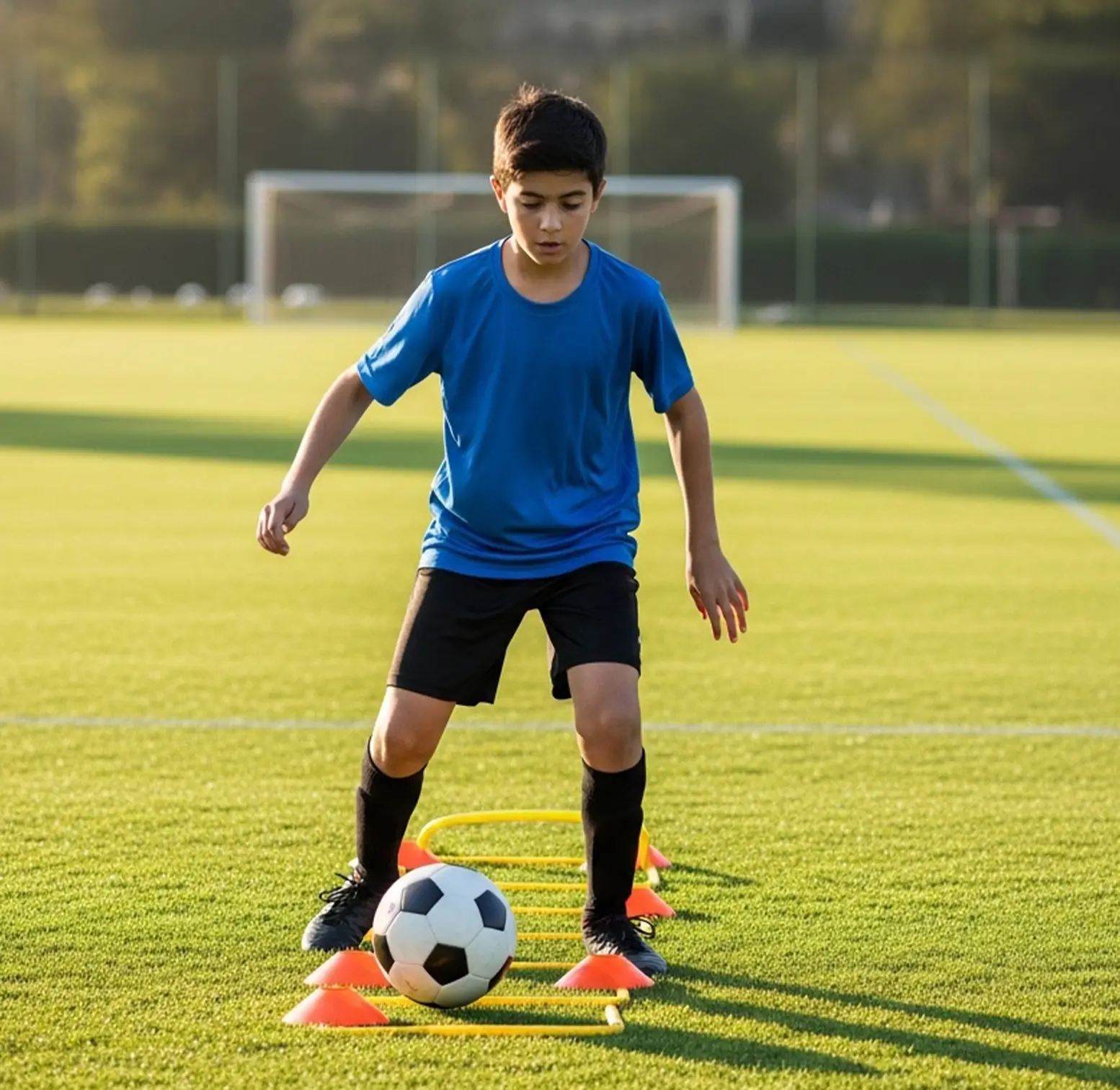
Winter slows down the soccer calendar. With fewer games and less outside pressure, kids can focus on deliberate skill work. This relaxed pace allows players to practice without feeling rushed.
- Controlled sessions help kids focus.
- More repetition builds confidence.
- Coaches can correct small mistakes.
- Players learn at a comfortable speed.
- Extra touches lead to steady improvement.
Winter gives players the space to learn at their own pace and grow in a way that lasts.
How Winter Camps Strengthen Core Fundamentals
The Foundation of Long-Term Development
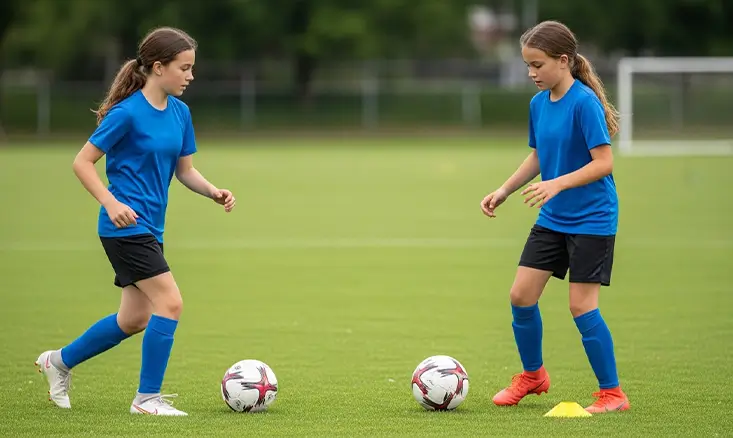
Strong fundamentals shape every stage of a player’s journey. Winter camps repeat the basic movements that prepare players for future seasons. Repetition during this time helps players build a foundation they can trust.
- First touch improvement.
- Passing accuracy and timing.
- Basic body positioning.
- Comfort with the ball.
- Balance and coordination.
Strong fundamentals built in winter make advanced learning easier later.
The Mental Growth Kids Gain in Winter
Confidence, Patience, and Better Habits
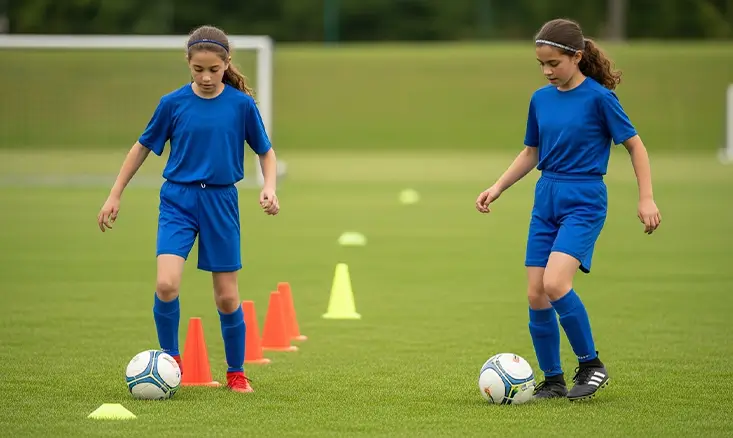
Winter camps help kids develop mental qualities that influence long-term success. Players learn to trust themselves, embrace practice, and enjoy slow improvement. These same qualities appear in programs that build confidence through soccer, which help kids stay calm and motivated.
- More confidence in every touch.
- Better patience when learning new skills.
- Willingness to try again after mistakes.
- Stronger focus during practice.
- A growth mindset that lasts.
Mental growth during winter becomes a powerful advantage in the seasons ahead.
Why Consistency in Winter Shapes Future Seasons
The Value of Showing Up Every Week
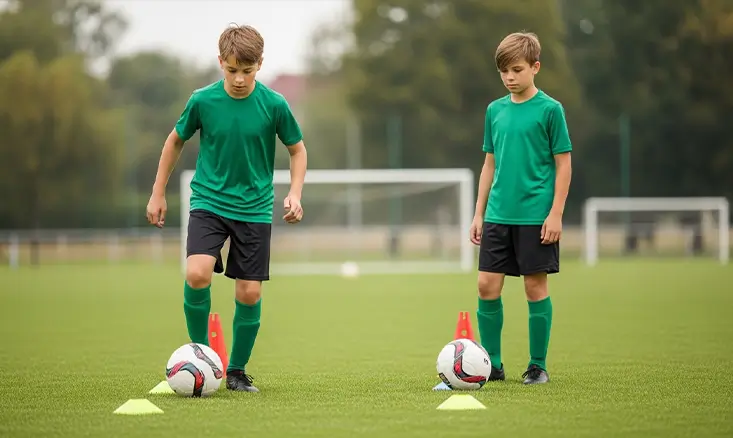
Winter camps help young players build consistent training habits. When kids practice regularly during the off-season, they stay sharp and begin spring with strong momentum. This matches the benefits of keeping players connected during off-season training, where small actions create big improvements.
- Regular touches prevent skill loss.
- Players stay active during the cold months.
- Training rhythm improves focus.
- Kids avoid falling behind.
- Habits become routine and natural.
Consistent winter training builds the foundation for success in the spring.
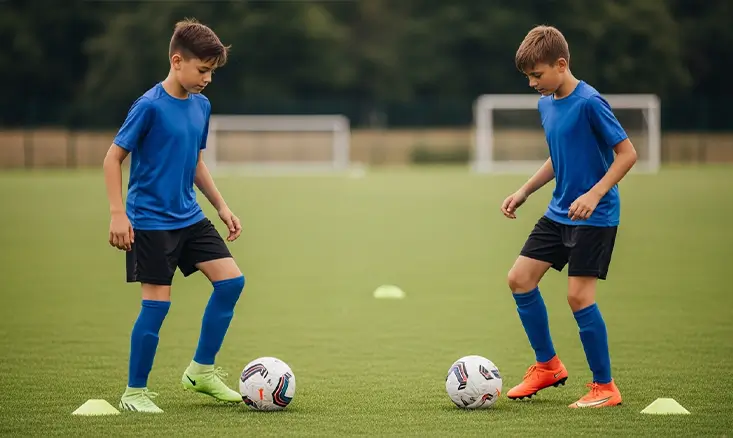
How Indoor Futsal Helps Long-Term Player Development
Futsal Builds Smart, Technical Players
Futsal gives kids more touches in less time. The court is smaller, the ball moves quickly, and players stay involved from start to finish. These benefits reflect the improvements shown in first-touch futsal training, which sharpens control and decision-making.
- Quick decisions under pressure.
- Better ball control.
- More creativity in tight spaces.
- Stronger balance and coordination.
- Increased confidence.
Futsal enhances long-term development by turning repetition into real skill.
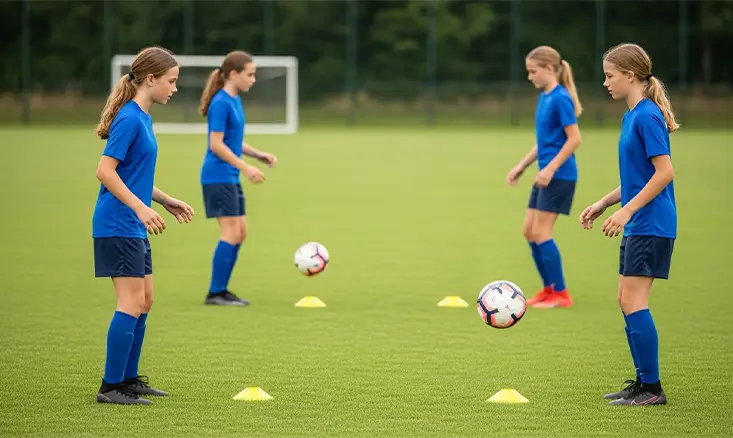
How Winter Sets Players Up for Spring and Beyond
A Head Start That Lasts All Year
Players who train in winter carry their progress into spring and summer. They feel more prepared, more confident, and more comfortable with the ball. Winter gives players momentum that other seasons build on.
- Stronger touch at the start of spring.
- Faster adaptation to outdoor sessions.
- More confidence in games.
- Better movement and timing.
- Clearer understanding of fundamentals.
Winter becomes the season that prepares young players for long-term success.
Conclusion
Winter camps give kids more than short-term improvement. They build the habits, confidence, and foundation needed for long-term development. Winter offers slower, more focused training that helps every player grow at their own pace.
Charlotte Rise FC winter camps help players build skills that last, shaping stronger, smarter, and more confident athletes for the seasons ahead.
FAQs
How do winter camps help players grow long-term?
Winter camps give kids time to focus on fundamentals without game pressure. This builds strong habits and confidence that last. These benefits are similar to the improvements gained through growth mindset development, where consistent encouragement helps players progress steadily.
Are winter camps good for beginners?
Yes. Beginners learn fastest in calm, structured environments. Winter camps offer slow, repeated drills that help new players build comfort quickly. This approach mirrors the success seen in beginner soccer camps, where confidence grows through simple, achievable steps.
How does futsal support long-term development during winter?
Futsal keeps kids constantly involved because the court is smaller and the ball moves quickly. This increases touches and decision-making. These improvements match the gains seen in first-touch futsal training, which strengthens control, balance, and awareness.
Do winter camps help with confidence?
Yes. Winter training helps kids build confidence through repetition and positive feedback. This matches the progress seen in our programs focused on confidence building through soccer, where players learn to trust their skills and stay motivated.
Do winter camps make the spring season easier for players?
Absolutely. Players who train in winter enter spring with better touch, stronger coordination, and more comfort on the ball. Parents notice this progress through measuring a child’s soccer development, which highlights improvement from season to season.
How do coaches support long-term development during winter camps?
Coaches give more individual attention during winter because sessions move at a slower pace. This helps players understand corrections and build stronger habits. This teaching style aligns with our youth coaching philosophy, which focuses on patience, clarity, and long-term growth.

Did you find this useful?

LATEST BLOGS