


Why Repetition Matters More Than Results for Beginner Soccer Players

CRFC BLOGS
LATEST BLOGS & NEWSLETTERS
Why Repetition Matters More Than Results for Beginner Soccer Players
When kids begin soccer, it’s natural for parents to look for visible results. Goals, wins, and standout moments feel like proof that learning is happening. But for beginner players, those moments rarely tell the full story. Real development happens quietly through repetition, comfort, and consistency.
At Charlotte Rise FC, repetition is treated as progress because it builds the foundation kids need to grow with confidence.
Repetition Creates Safety Before Skill
For beginners, soccer is not only physical. It is emotional as well. New environments, unfamiliar movements, and fear of mistakes can slow learning. Repetition reduces that fear. When kids repeat the same actions, they stop worrying about doing things wrong and start feeling comfortable.
That sense of safety allows learning to begin. When movements feel familiar, confidence develops naturally without pressure.

Why Results Can Be Misleading Early On
Early results often come from size, speed, or natural athletic ability. They do not always reflect understanding or strong fundamentals.
- Scoring does not guarantee proper movement.
- Winning does not mean skills are forming correctly.
- Early success can hide weak habits.
- Kids may avoid more challenging skills.
- Progress can slow later.
Repetition shows what players are actually learning, even when results stay quiet.

Signs Repetition Is Working
Parents often notice progress long before it appears on a scoreboard.
- Your child touches the ball with more confidence.
- Hesitation decreases during play.
- Recovery after mistakes happens faster.
- Focus improves during sessions.
- Soccer feels easier to talk about at home.
These behaviors signal real development.
Repetition Versus Results Thinking
Both approaches can feel productive, but only one supports long-term growth.
A results-focused mindset:
- Rewards short-term outcomes.
- Creates pressure too early.
A repetition-focused approach:
- Builds reliable movement.
- Supports steady confidence.
One fades quickly. The other compounds over time.
Why Repetition Supports the Brain and Body
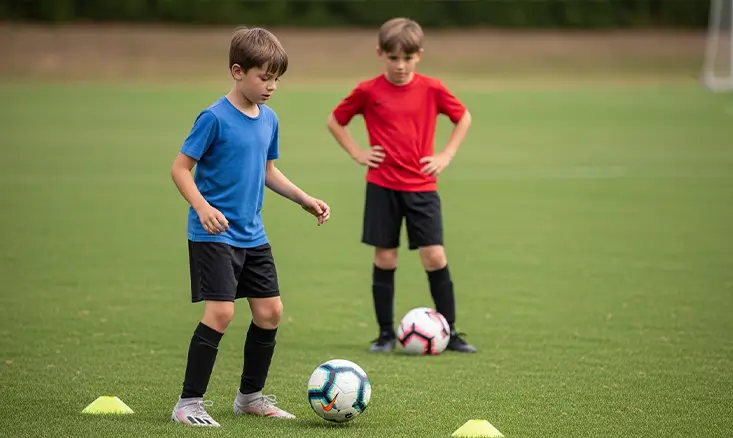
Young players learn through patterns. The brain needs repeated experiences to store movement correctly and reliably.
- Repetition strengthens muscle memory.
- Decisions become calmer.
- Movements feel automatic.
- Confidence grows without stress.
This is how learning becomes lasting.
A Calm Reminder for Parents
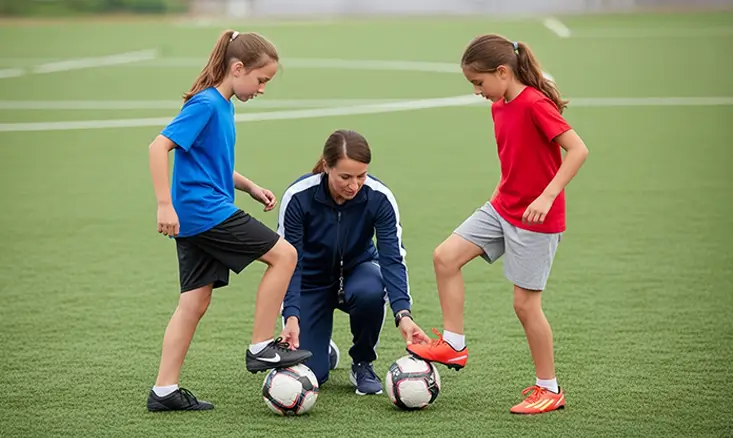
If your child is not scoring yet, that is okay. Progress does not always look obvious. Comfort always comes before confidence. When repetition is present, growth is already taking place.
Conclusion
For beginner soccer players, repetition matters more than results because it builds comfort, confidence, and coordination the right way. Goals come later, but only when the foundation is strong. When learning feels safe and familiar, kids improve faster and enjoy the game more.
Charlotte Rise FC focuses on repetition first so players can grow with confidence over time.
FAQs
Why is repetition more important than results for beginners?
Repetition helps beginner players feel comfortable with movement and the ball before pressure enters the picture. Each repeated action builds familiarity and reduces hesitation. This steady process supports early skill development, allowing kids to learn naturally without fear of mistakes or performance expectations that can slow confidence.
Should parents worry if their child is not scoring goals yet?
No. Early goals are not a reliable indicator of growth for beginner players. Progress often shows through confidence, comfort, and participation. Parents gain better insight by measuring progress through movement quality and engagement rather than focusing on scores, statistics, or game results.
How does repetition help build confidence in young players?
Repeating simple actions helps kids feel more in control of their bodies and decisions. Familiar movements reduce anxiety and make mistakes feel manageable. Over time, this builds early confidence through soccer, allowing players to try new skills and stay engaged without fear of failure.
Does repetition support long-term improvement?
Yes. Players who repeat fundamentals early develop strong habits that stay with them as the game becomes faster. This approach supports healthy player development by creating a stable foundation that allows skills to grow steadily without relying on short-term results.
How can parents encourage repetition at home?
Parents can support repetition by encouraging short, playful routines without pressure. Simple ball touches, light movement games, and relaxed repetition help reinforce learning. These habits contribute to long-term training success by keeping development consistent, positive, and enjoyable outside of structured sessions.

Did you find this useful?

LATEST BLOGS