


Why Multi-Day Soccer Tryouts Give Coaches a Better Picture of Young Players


CRFC BLOGS
LATEST BLOGS & NEWSLETTERS
Why Multi-Day Soccer Tryouts Give Coaches a Better Picture of Young Players
If you have ever watched your child play one great game and then one flat game a few days later, you already understand the problem with judging a player too quickly. Young athletes are not robots. Energy changes. Confidence changes. Focus changes. That is one reason multi-day soccer tryouts make so much sense for families and coaches.
At Charlotte Rise FC, the current tryouts page lists year-round tryouts for the 2026 to 2027 season at Ballantyne Ridge High School, with multiple dates for both boys and girls across U8 to U16 age groups. The page also says the club’s free evaluation sessions mirror real Academy training and assess players on first touch, vision, and work-rate, while the schedule shows repeated sessions across late April and mid-May rather than a single one-night event.
That kind of format gives coaches more than a snapshot. It gives them patterns. And in youth soccer, patterns tell the real story.
One Session Can Show a Moment, but Several Sessions Show a Player
A single tryout can show talent, but it can also hide it. A child may arrive nervous, tired from school, or slow to settle in. Another player may hit one hot streak and look better than usual for an hour. That is normal in youth sports. Multi-day soccer tryouts help coaches move past first impressions and focus on what a player consistently brings.
- A player may look hesitant in the first session and far more comfortable in the second.
- Another player may start fast but struggle to keep the same focus over time.
- Coaches can compare habits across more than one training environment.
- Repeated sessions reduce the chance of one lucky or unlucky night shaping the full decision.
- Patterns in effort, attitude, and focus become easier to spot.
Takeaway: One session can catch a highlight. Multiple sessions can reveal a habit. When coaches see players more than once, they get closer to the truth.
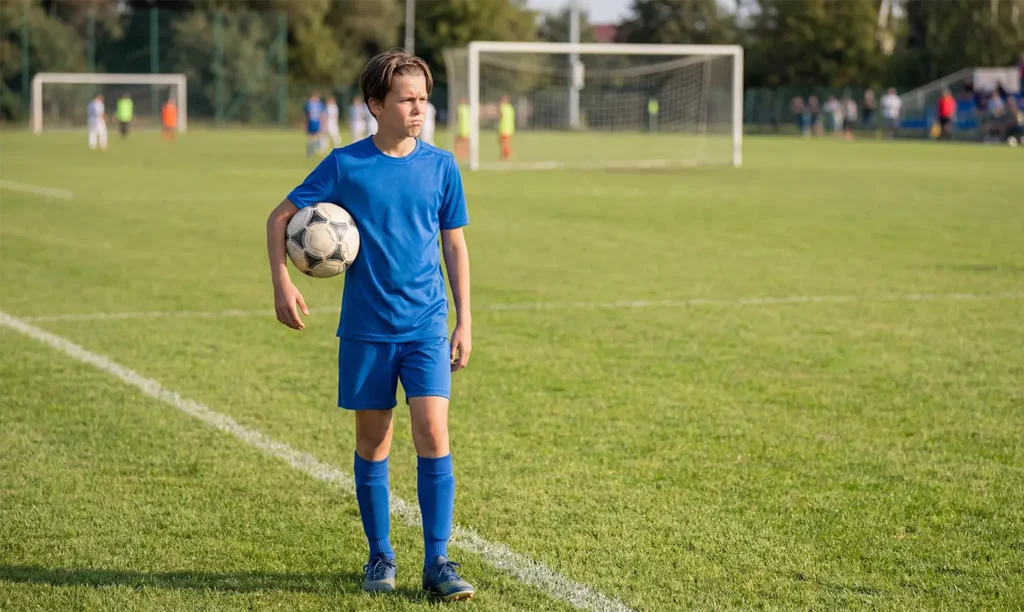
Multi-Day Tryouts Help Coaches Evaluate the Qualities That Matter Most
Charlotte Rise FC’s tryouts page says players are evaluated on first touch, vision, and work-rate, and those are exactly the kinds of traits that benefit from repeated observation. A player’s real level usually becomes clearer when those qualities show up again and again, not just once.
- The first touch is easier to judge over time because consistency matters more than one clean control.
- Vision becomes clearer when coaches see how a player reads different moments and teammates.
- Work rate stands out when effort shows up late in a session, not just in the opening minutes.
- Repeated sessions show whether a player can apply feedback from one day to the next.
- Coaches can tell the difference between confidence and guesswork when they watch decisions across multiple dates.
Takeaway: The best evaluations usually come from repeated evidence, not quick guesses. Multi-day tryouts give coaches more chances to see whether key traits hold up under different conditions.

Young Players Often Need Time to Settle In
Anyone who has worked with kids knows that the first few minutes do not always tell the whole story. Some players jump in quickly. Others need time to breathe, look around, and get comfortable. That does not mean they lack ability. It means they are human. Multi-day soccer tryouts create room for that adjustment.
- Nervous players often look calmer by the second or third session.
- Kids who need time to read in the group may connect better once the environment feels familiar.
- Players can recover from one rough start instead of feeling like everything depends on one night.
- Coaches get to see how a child responds after the pressure of the first session lifts.
- Parents also get a more realistic sense of the environment over time.
Takeaway: A slow start does not always mean low potential. More than one session gives young players a fairer chance to show who they really are.
Repeated Sessions Show Coachability, Not Just Ability
One of the smartest things coaches can watch in a multi-day format is whether a player learns. Skill matters, of course, but development matters too. A player who listens, adjusts, and improves between sessions may have a stronger long-term path than a player who looks polished but never changes. Charlotte Rise FC’s Academy program is built around structured player development, which makes that growth piece especially relevant.
- Did the player apply a correction from the previous session?
- Did their movement improve after feedback?
- Did they make better choices with the ball the next time?
- Did their body language stay steady after mistakes?
- Did their work rate stay strong across multiple dates?
Takeaway: Coachability is easier to spot when coaches can compare yesterday’s player to today’s player. That is a big reason multi-day tryouts can support better long-term decisions.
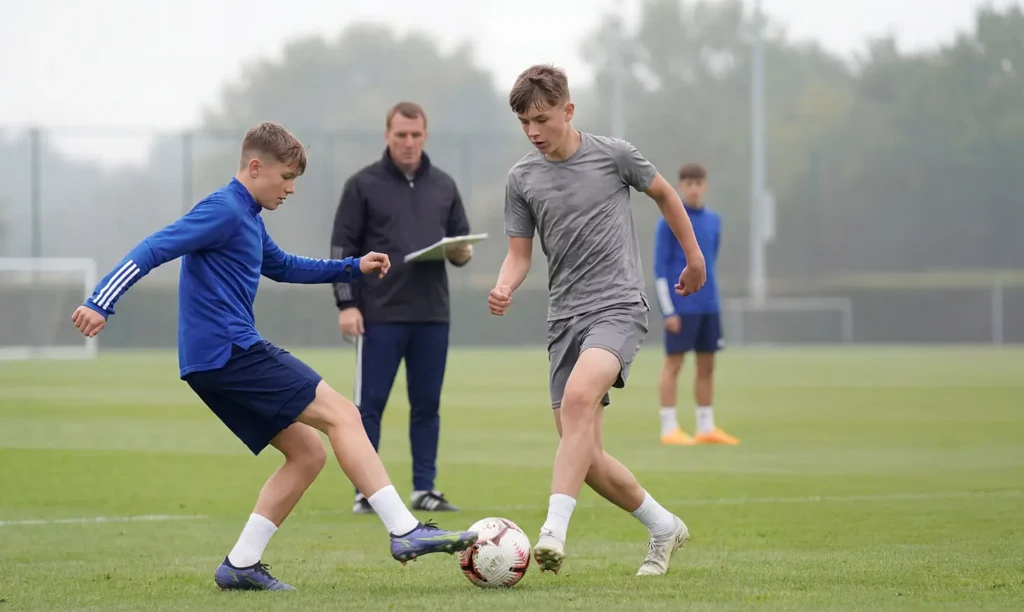
Multi-Day Tryouts Create a Fairer Evaluation for Families Too
Parents often feel pressure around tryouts, especially if they think one bad moment could define everything. A multi-day schedule helps lower that pressure because the process feels more balanced. Charlotte Rise FC’s current tryout schedule includes multiple girls’ dates from April 27 through May 13 and multiple boys’ dates from April 28 through May 14, with age-based session times across those dates. That format naturally gives families more than one chance to enter the process.
- Families do not have to treat one evening like the whole future of the sport.
- Players can learn from one session and return with a clearer head.
- Parents can observe the environment with less panic and more perspective.
- Coaches can make decisions with more context.
- The overall process feels more thoughtful and less rushed.
Takeaway: A fair tryout process should reduce noise, not add to it. Multi-day sessions help everyone make decisions with a steadier view.

This Format Looks More Like Real Development
Charlotte Rise FC’s tryouts page says the evaluation sessions mirror real Academy training. That matters because club soccer is not built on one isolated hour. It is built on repeated sessions, repeated habits, and steady growth inside a structured environment. A multi-day tryout reflects that reality better than a one-off event ever could.
- Players are seen in a rhythm that feels closer to ongoing training.
- Coaches can spot who keeps showing up with focus and effort.
- Families get a better sense of what the program may feel like.
- The process aligns more closely with long-term development.
- Decisions can be made with more confidence and less guesswork.
Takeaway: The best tryout format often looks like the program itself. When evaluations reflect real training, coaches get cleaner information and players get a more honest introduction to the environment.
What Parents Should Keep in Mind During a Multi-Day Tryout Process
The smartest thing you can do as a parent is stay calm and look for patterns, just like the coaches do. One strong session is nice. One rough session is not the end of the world. The goal is to understand how your child responds across the full process.
- Watch how your child handles feedback from one session to the next.
- Notice whether they settle in more each time.
- Pay attention to effort, not only flashy moments.
- Focus on learning and adjustment, not just comparison with others.
- Treat the process as information, not a verdict.
Takeaway: Multi-day tryouts are not just better for coaches. They are better for perspective. They help parents see the bigger picture instead of riding every high and low like a roller coaster at the county fair.
Conclusion
Multi-day soccer tryouts give coaches a better picture of young players because they reveal consistency, coachability, effort, and growth over time. They reduce the risk of judging a child by one nervous start or one lucky stretch. They also reflect the reality of player development much better than a one-night snapshot.
For families looking at Charlotte Rise FC, the public tryouts page already shows a process built around multiple dates, age-group sessions, and evaluations that mirror real Academy training. That structure is not just practical. It is a smarter way to understand who a young player is becoming.
Frequently Asked Questions
1. Why are multi-day soccer tryouts better than one-day tryouts?
Multi-day soccer tryouts give coaches more than one chance to watch the same player in action, which helps them spot patterns instead of relying on one session. That matters because young players can look very different once nerves settle and rhythm kicks in. For families looking at a club with a repeated evaluation format, Charlotte Rise FC tryouts offer that kind of structure.
2. What can coaches learn from a player over several tryout sessions?
Over several sessions, coaches can see whether a player’s first touch, decision-making, and work rate stay consistent. They can also watch how the player responds to pressure, corrections, and different game moments. Those qualities matter in a development setting because they shape long-term progress inside Academy Teams.
3. Do multi-day tryouts help nervous players?
Yes. Many young players need time to settle into a new environment, especially when other players, coaches, and parents are around. A multi-day format gives them space to move past first-session nerves and show more of who they are. That is one reason topics like match day nerves tips matter for families during tryout season.
4. Why does coachability stand out more in repeated tryout sessions?
Coachability becomes easier to see when coaches can compare one session to the next. If a player listens, adjusts, and improves, that growth shows up more clearly over time. Those habits matter because development depends on more than talent alone, which is also why the role of a strong youth soccer coach matters so much in the player experience.
5. What should parents watch during a multi-day tryout process?
Parents should look for patterns in effort, focus, and response to feedback, not just one great play or one mistake. The bigger picture usually says more than one moment. That same long-view mindset is important in youth soccer player development, where steady progress matters more than quick impressions.
6. Does a rough first tryout session mean a child is not ready?
No. A rough first session can happen for many reasons, including nerves, timing, or simply needing time to settle in. That is exactly why multiple evaluation dates can help both families and coaches make better decisions. A growth-centered view like the one behind growth mindset building in young players fits this process well.
7. How does a multi-day tryout process reflect real club training?
Charlotte Rise FC says its evaluation sessions mirror real Academy training, and that makes multi-day tryouts useful because real development happens across repeated sessions, not isolated moments. Families usually get a clearer view of the environment when the tryout process looks more like the training path itself, much like the club culture shown through testimonials.

Did you find this useful?

LATEST BLOGS