


Why Every Child Learns Soccer at a Different Pace


CRFC BLOGS
LATEST BLOGS & NEWSLETTERS
Why Every Child Learns Soccer at a Different Pace
Parents often notice that children progress differently in soccer. Some kids seem comfortable right away, while others take more time to settle in. This difference is normal and expected. Every child learns soccer at a different pace because development is shaped by comfort, confidence, coordination, and experience not effort alone.
Understanding this helps parents support growth without comparison or pressure.
Comfort Comes Before Learning
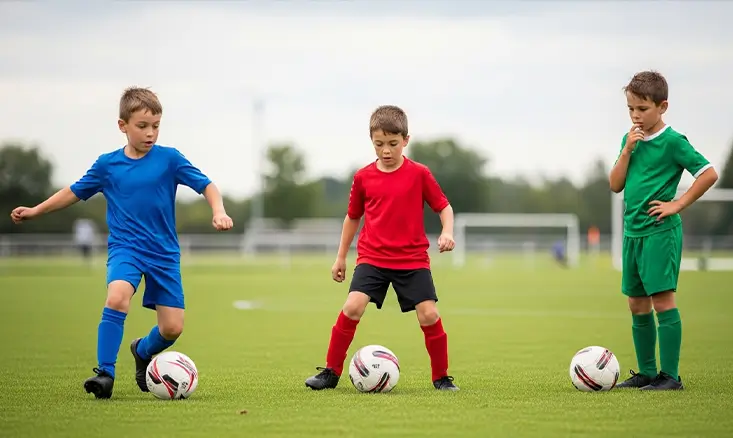
Before children can focus on beginner soccer skills like passing, dribbling, or listening to instructions, they need to feel comfortable in their environment. New settings, unfamiliar coaches, and group activities can feel overwhelming at first. A child who feels safe is more willing to move, try new drills, and stay engaged.
When comfort increases, learning becomes smoother. Progress often begins quietly through relaxed body language, better focus, and steady participation.
Confidence Develops on Its Own Timeline
Confidence does not grow the same way for every child. Some children jump in quickly, while others need reassurance and repetition.
In youth soccer, confidence shows up in simple but powerful ways:
- Trying again after missing the ball
- Joining a drill without hesitation
- Calling for a pass
- Staying involved after a mistake
These moments may take time, and that is completely normal.
Movement and Coordination Take Time
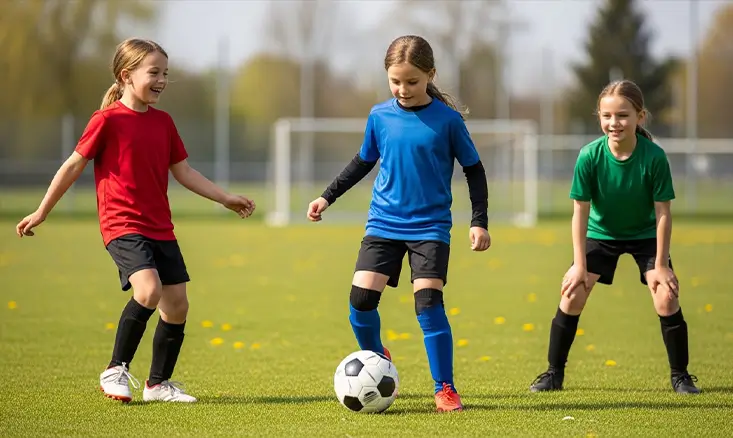
Children develop balance, coordination, and body control at different rates. These physical foundations strongly influence learning pace.
Parents may notice differences in steadiness, speed,or ball control.These are developmental milestones, not measures of potential. Strong movement foundations support future technical skills, even if visible progress feels slow at first.
Experience Shapes Learning Speed
Not all children begin soccer with the same background. Some have played other sports or spent time in active play. Others are new to structured movement.
Experience affects familiarity, not ability. With repetition and supportive coaching, beginner players naturally close gaps and grow more comfortable with the ball and team environment.
Pressure Can Slow Progress
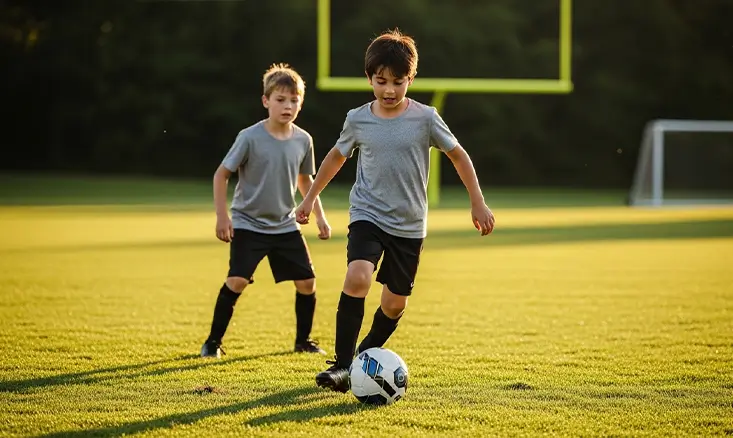
Comparing children or rushing for improvement often creates stress. Pressure shifts focus away from learning and enjoyment.
Children learn best when they feel supported and encouraged. When pressure is removed, kids are more willing to explore, make mistakes, and grow at their own pace.
Progress Looks Different for Every Child
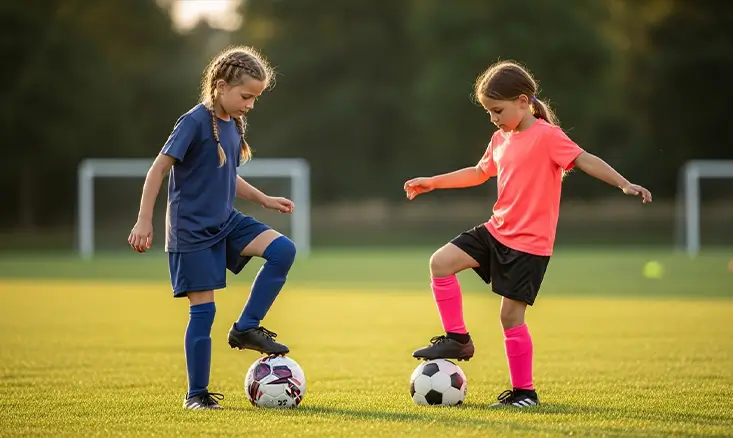
Progress does not follow a straight line. Some weeks feel easier than others.
Parents may notice progress through small changes such as improved focus, smoother movement, or increased confidence. These subtle shifts signal healthy development and long-term growth.
Conclusion
Every child learns soccer at a different pace because development is personal. Comfort, confidence, movement, and experience all shape progress. When parents respect this process, children grow with less pressure and more enjoyment.
Charlotte Rise FC supports each child’s journey by focusing on progress, not comparison.
FAQs
Why do some children learn soccer faster than others?
Children learn at different speeds based on comfort, confidence, coordination, and prior experience. Some kids adapt quickly, while others need more repetition. Parents gain clarity by measuring progress through engagement, movement, and comfort rather than comparing timelines or results.
Does learning pace affect long-term soccer development?
No. Early pace does not predict future success. Many players who take longer early build strong foundations through repetition. This approach supports healthy player development, allowing confidence and skills to grow steadily over time.
How does confidence influence a child’s learning pace?
Confidence helps children try new movements without fear. When kids feel supported, learning happens more naturally. Early confidence through soccer encourages participation and enjoyment, which directly supports steady progress.
Should parents push children to improve faster?
Pushing often creates pressure, which slows learning. Encouragement and patience support growth more effectively. Focusing on early skill development allows children to build habits and comfort without rushing progress.
How can parents support learning outside of practice?
Parents can support learning by keeping activities light and enjoyable at home. Short routines and positive conversations help reinforce growth. These habits support long-term training success by keeping development consistent without added pressure.

Did you find this useful?

LATEST BLOGS