


What Progress Really Looks Like for Beginner Soccer Players


CRFC BLOGS
LATEST BLOGS & NEWSLETTERS
What Progress Really Looks Like for Beginner Soccer Players
When children start soccer, progress doesn’t always look obvious. Parents often expect goals, wins, or standout moments to prove their child is improving. For beginner players, real progress usually shows up in quieter, more meaningful ways that build long-term confidence and comfort.
Understanding these signs helps parents support growth without unnecessary pressure.
Progress Starts With Comfort, Not Performance
Before skills improve, kids need to feel comfortable in their environment. Comfort is what allows learning to happen naturally.
A beginner who feels safe is more willing to participate, make mistakes, and try again. This comfort shows up through relaxed movement, calmer reactions, and steady engagement during sessions.
When comfort increases, learning follows.
Confidence Appears in Small, Everyday Moments
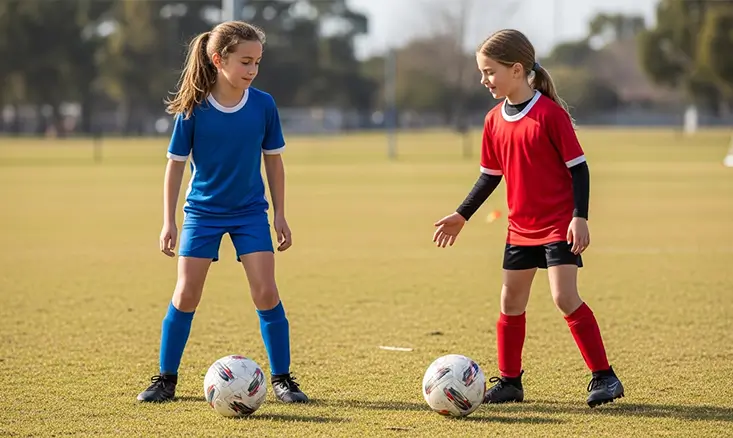
Confidence doesn’t arrive all at once. It builds through repeated practice and positive reinforcement.
Signs of growing confidence include:
- Your child joins activities more willingly.
- Hesitation decreases during drills.
- Mistakes feel easier to handle.
- Body language looks more relaxed.
- Smiles appear more often during play.
These small moments are real milestones for youth soccer confidence.
Better Movement Signals Real Development
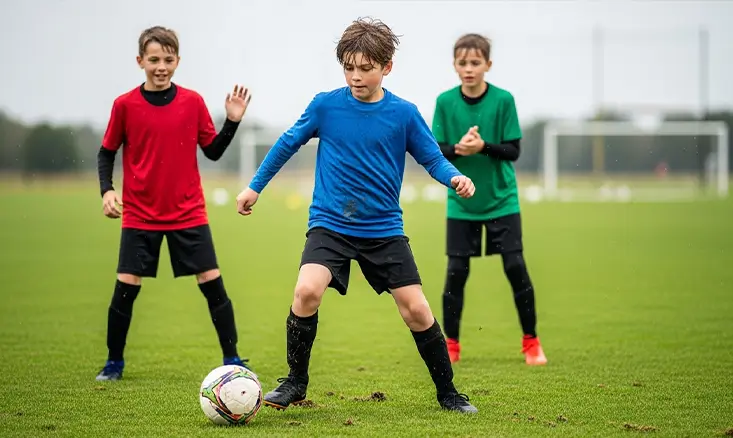
Progress often shows through how a child moves rather than what they achieve. Movement quality improves as comfort grows.
Parents may notice smoother transitions, better balance, and improved coordination. These changes indicate that the body is learning how to move efficiently, which supports every future soccer skill.
Strong movement is a major milestone for beginners.
Effort and Focus Matter More Than Outcomes
Early results can fluctuate. One day, your child may look great, and the next day they may seem distracted. That’s normal.
More reliable signs of progress include.
- Attention lasts longer during sessions.
- Instructions are followed more consistently.
- Engagement stays steady throughout practice.
- Recovery after mistakes happens faster.
These habits show that learning is taking place.

Social Comfort Plays a Key Role
Progress also includes emotional and social growth. Feeling comfortable with teammates and coaches supports confidence.
When kids communicate more freely and feel connected, learning becomes easier. This social comfort often leads to better participation, enjoyment, and willingness to challenge themselves during activities.
Growth happens when kids feel supported.
Progress Builds Gradually Over Time
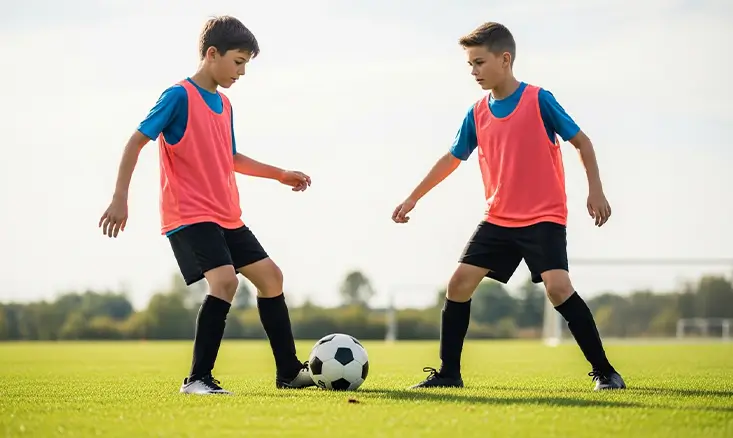
Beginner progress rarely moves in a straight line. Some days feel easier than others.
What matters most is steady exposure, repetition, and encouragement. Over time, confidence strengthens, movement improves, and skills become more consistent. These gradual changes form the foundation for long-term development.
Patience allows progress to unfold naturally.
Conclusion
For beginner soccer players, progress looks like comfort, confidence, and steady improvement, not just goals or wins. Small changes in movement, focus, and attitude often signal meaningful growth. When parents recognize these signs, they can support their child with patience and positivity.
Charlotte Rise FC focuses on these early indicators to help players grow the right way.
FAQs
How can parents tell if their beginner is making progress?
Progress often shows through confidence, comfort, and improved movement rather than results. Parents may notice better balance, focus, and willingness to participate. These changes help families focus on measuring progress in meaningful ways that reflect true development instead of performance alone.
Why does progress look different for beginner players?
Beginners are learning movement, confidence, and coordination all at once. This process takes time and repetition. Focusing on early skill development helps kids build a strong foundation that supports future learning without pressure to perform immediately.
Does confidence matter more than scoring at the beginner level?
Yes. Confidence allows kids to try new skills and stay engaged. Without confidence, learning slows down. Early confidence through soccer supports enjoyment and long-term participation, which leads to stronger development over time.
How does early progress affect long-term growth?
Early progress builds habits that carry forward. Players who feel comfortable and confident adjust better as the game becomes faster. This foundation supports healthy player development, making future learning smoother and more enjoyable.
How can parents support progress outside of practice?
Parents can support progress by encouraging short, fun activities at home and keeping conversations positive. These habits support long-term training success by reinforcing confidence, consistency, and enjoyment without adding pressure.

Did you find this useful?

LATEST BLOGS