


How to Support Your Child During Their First Soccer Season

CRFC BLOGS
LATEST BLOGS & NEWSLETTERS
How to Support Your Child During Their First Soccer Season
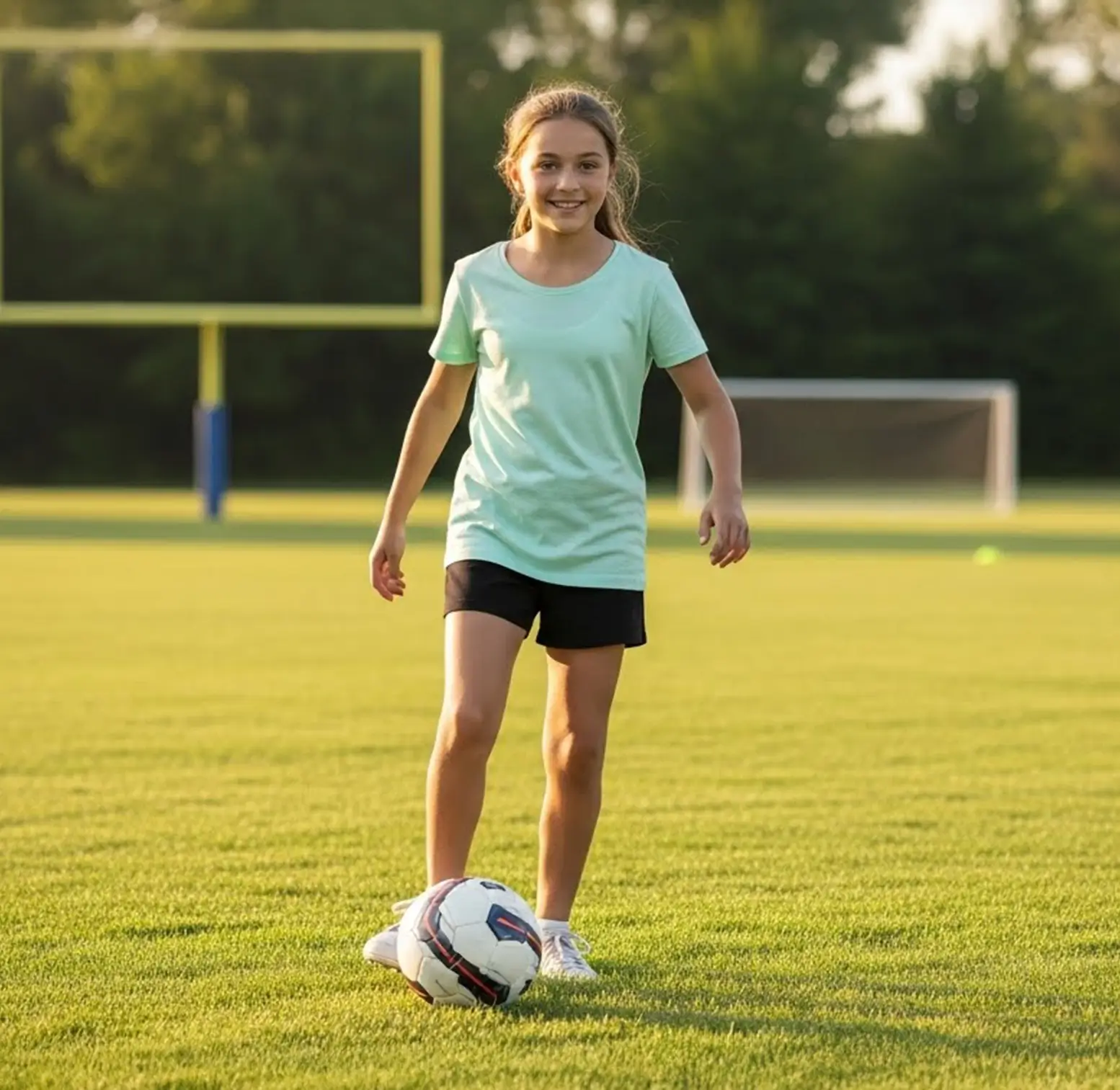
A child’s first soccer season sets the emotional tone for how they feel about the sport. Parents play a major role in shaping confidence, enjoyment, and willingness to learn. Support does not mean coaching from the sidelines. It means creating a safe, positive experience where kids feel encouraged and excited to participate.
When parents focus on effort, comfort, and consistency, children grow faster and enjoy the game more.
Create a Calm and Encouraging Environment
Young players need reassurance during their first season. Soccer can feel overwhelming at first, especially in new group settings.
- Stay calm before and after sessions.
- Offer encouragement instead of instructions.
- Keep conversations positive.
- Avoid comparing your child to others.
- Celebrate effort consistently.
A calm environment helps kids feel safe and supported.
Focus on Effort Over Outcomes
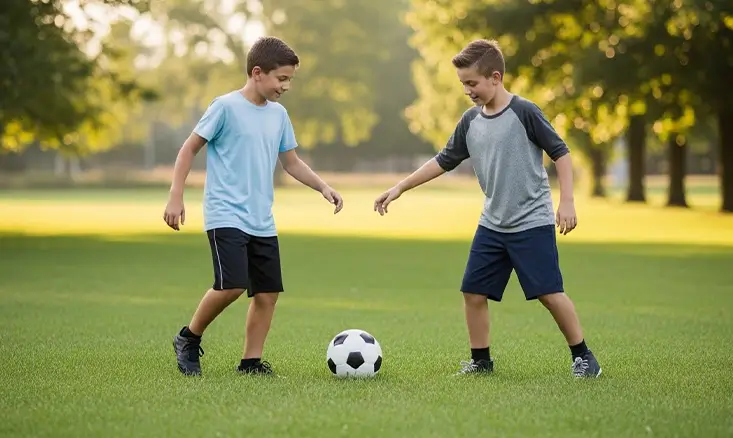
Results do not define progress in a first soccer season. Effort and willingness matter more than goals or wins.
- Praise trying new skills.
- Recognize bravery and participation.
- Highlight positive habits.
- Avoid focusing on mistakes.
- Reinforce improvement through effort.
Effort-based support builds confidence naturally.
Build Simple At-Home Routines
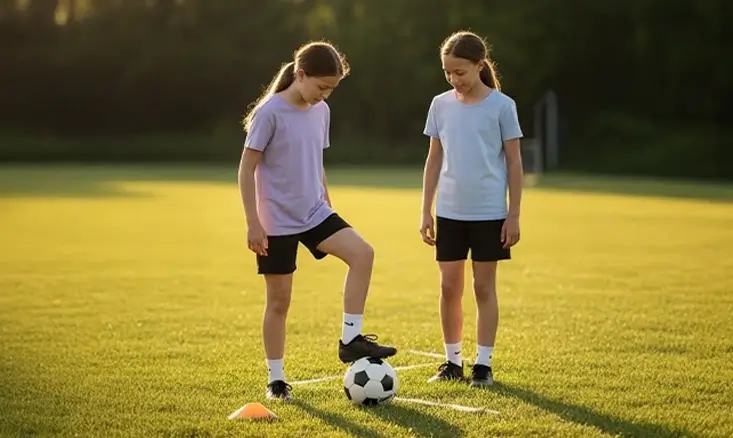
Light activity at home helps kids feel more comfortable with movement and the ball. These routines should stay short and playful.
- Encourage five to ten minutes of ball play.
- Use walls for gentle passing.
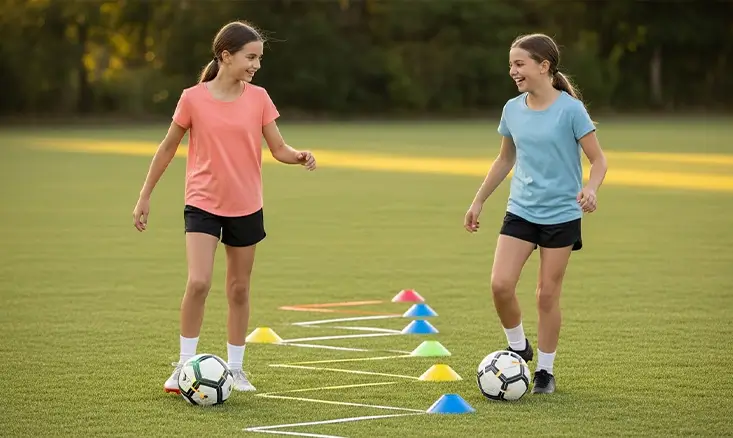
- Create simple dribbling paths.
- Keep activities fun and relaxed.
- Stop before kids feel tired or bored.
Consistency matters more than duration.
Help Your Child Navigate Emotions
First seasons bring excitement and frustration. Emotional support helps kids learn resilience.
- Listen without correcting.
- Acknowledge feelings honestly.
- Normalize mistakes.
- Encourage trying again.
- Avoid pressure-filled conversations.
Kids learn emotional strength through support.
Trust the Learning Process
Development takes time, especially for beginners. Progress often shows in subtle ways.
- Comfort increases gradually.
- Confidence builds session by session.
- Skills improve through repetition.
- Focus grows naturally.
- Enjoyment becomes more visible.
Trusting the process helps kids stay engaged.

Communicate Positively With Coaches
Parents and coaches work best as a team. Clear communication builds trust and understanding.
- Ask questions respectfully.
- Share helpful observations calmly.
- Support coaching decisions.
- Avoid sideline coaching.
- Keep feedback constructive.
Positive communication benefits the child most.
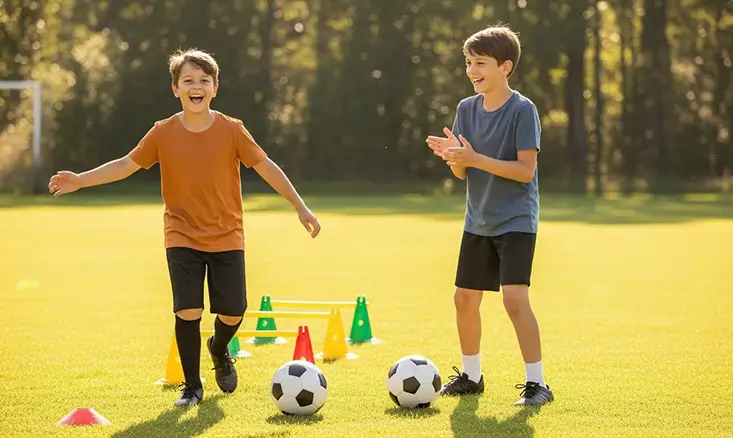
Encourage Enjoyment Above All Else
Enjoyment is the key to long-term participation. Kids stay involved when soccer feels fun.
- Celebrate smiles and excitement.
- Let kids lead conversations about soccer.
- Avoid overloading expectations.
- Keep post-game talks light.
- Reinforce that fun matters.
Enjoyment creates lasting motivation.
Conclusion
Supporting your child during their first soccer season means focusing on confidence, effort, and enjoyment. Parents who stay calm, encouraging, and patient help kids build positive associations with the game. When the experience feels safe and fun, children grow not only as players but as confident learners.
Charlotte Rise FC believes early support shapes long-term success.
FAQs
What is the most important way parents can support a first soccer season?
The most important support parents can offer is emotional encouragement. Staying positive, calm, and patient helps kids feel safe while learning. When parents emphasize effort and enjoyment, children build early confidence through soccer, which makes them more willing to participate, try new skills, and stay engaged throughout the season.
How do parents know if their child is making progress?
Progress often appears through comfort, focus, and willingness to participate. Parents may notice smoother movement or increased confidence rather than goals or wins. These signs help families understand measuring progress in ways that reflect true development instead of performance-based outcomes during the first season.
Should parents practice soccer skills with their child at home?
Yes, but practice should stay simple and pressure-free. Short, playful routines support learning without causing stress. This approach helps reinforce early skill development by building comfort and familiarity rather than focusing on perfection or performance during the first season.
How does a positive first season impact long-term development?
A positive first season builds confidence, motivation, and enjoyment. Kids who feel supported are more likely to continue playing and improving. These early experiences strongly influence player development, shaping how children approach challenges and learning in future soccer seasons.
Why is enjoyment so important in early soccer experiences?
Enjoyment keeps kids engaged and reduces pressure. When soccer feels fun, children are more open to learning and trying again. This foundation supports long-term training success, where early positive experiences encourage consistency and confidence as players grow.

Did you find this useful?

LATEST BLOGS