


The Coordination Skills Kids Learn at Charlotte Rise FC

CRFC BLOGS
LATEST BLOGS & NEWSLETTERS
The Coordination Skills Kids Learn at Charlotte Rise FC
Coordination is one of the most important skills for young athletes. It affects how kids move, react, and control their bodies during play. At Charlotte Rise FC, coordination is developed intentionally through age-appropriate drills and game-based learning.
As coordination improves, kids move with more confidence, play with better control, and enjoy soccer more.
Why Coordination Matters in Youth Soccer
Coordination allows players to connect their brain and body efficiently. When coordination improves, movements feel smoother and more natural.
- Players move with better control.
- Reactions become quicker and smoother.
- Balance improves during changes of direction.
- Skills feel more consistent under pressure.
- Confidence increases with movement comfort.
Strong coordination supports both performance and enjoyment.
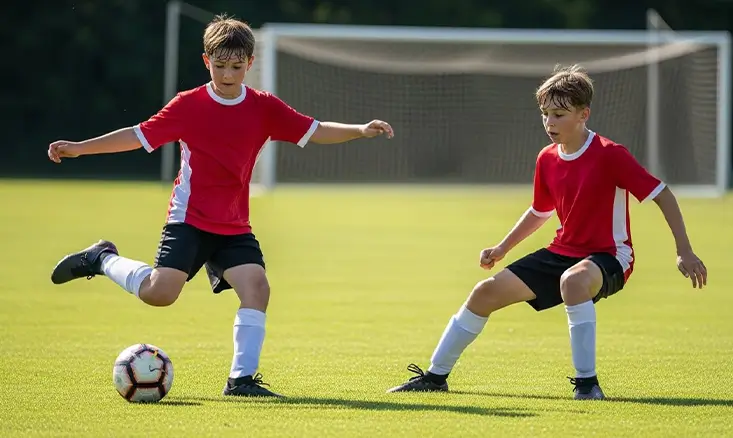
Foot-Eye Coordination Through Ball Mastery
Ball mastery is a key focus at Charlotte Rise FC. Players learn how to synchronize their footwork with visual awareness during every session.
- Players learn to track the ball accurately.
- Touches become cleaner and more controlled.
- Dribbling feels smoother and more confident.
- Passing accuracy improves naturally.
- Ball control holds up under pressure.
Foot-eye coordination builds trust between the player and the ball.
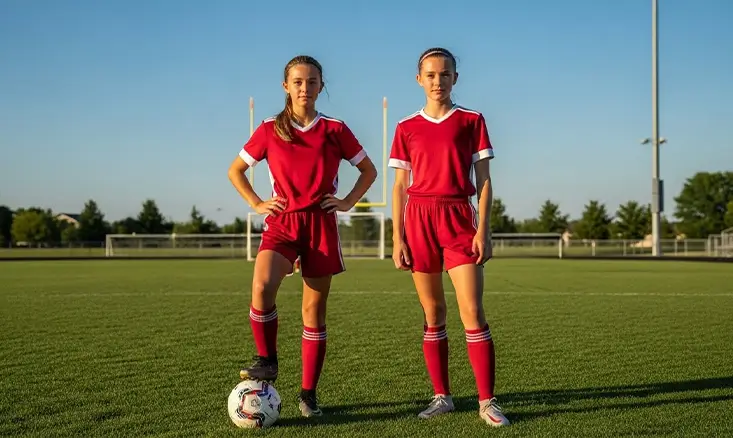
Balance and Body Control in Movement
Good coordination depends on balance. Training sessions help players control their bodies while moving, stopping, and turning.
- Players stay stable during quick changes.
- Single-leg balance improves naturally.
- Core strength develops through movement.
- Falls and stumbles become less common.
- Confidence grows in physical situations.
Better balance allows players to move with purpose and safety.
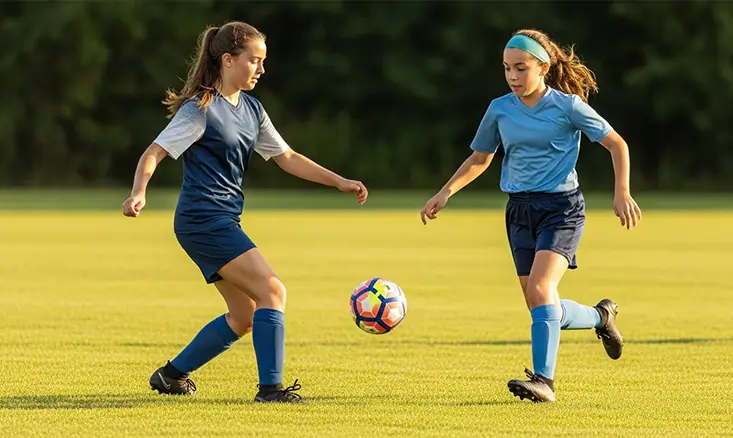
Timing and Rhythm in Game Situations
Coordination also includes timing. Through repetition and small-sided play, kids learn when to move, pass, and receive the ball.
- Players learn to move at the right moment.
- Passing becomes better timed.
- Runs feel more intentional.
- Decision-making improves with rhythm.
- Team play becomes smoother.
Good timing turns effort into effective play.
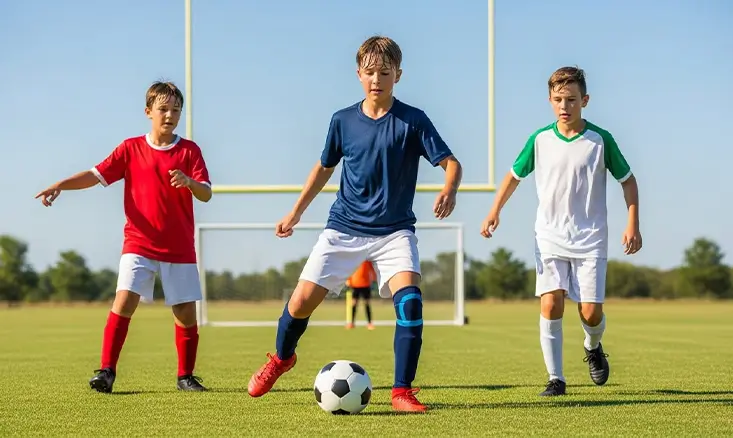
Hand-Foot Coordination and Reaction Skills
Coordination goes beyond footwork. Players also train reaction speed and awareness that support total athletic development.
- Reaction time improves through quick drills.
- Kids learn to adjust their body position fast.
- Awareness increases in crowded spaces.
- Movements become more efficient.
- Focus improves during fast play.
These skills support growth across all sports.
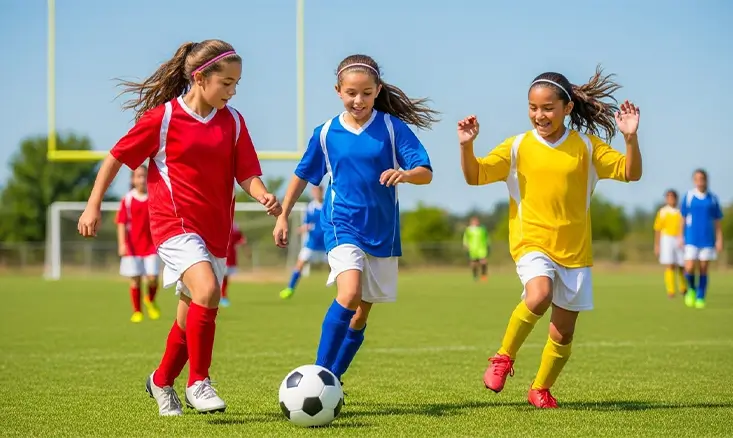
How Coordination Builds Confidence Over Time
As coordination improves, kids feel more capable. This confidence carries into games, training, and daily movement.
- Players feel more comfortable on the field.
- Hesitation decreases during play.
- Skills feel easier to repeat.
- Kids take more positive risks.
- Enjoyment of the game increases.
Coordination supports confidence at every stage of development.
Conclusion
Coordination is a foundation skill that shapes how kids move, play, and feel about soccer. At Charlotte Rise FC, coordination is developed intentionally through balanced training, repetition, and supportive coaching. As kids improve coordination, they gain confidence, control, and enjoyment that lasts far beyond the field.
FAQs
What coordination skills do kids develop at Charlotte Rise FC?
Kids develop foot-eye coordination, balance, reaction speed, and movement control through structured training. These skills help players move smoothly, control the ball, and react quickly during play. The steady progress parents notice reflects the principles of youth soccer skill development, where coordination supports long-term improvement and confidence.
Why is coordination important for young soccer players?
Coordination helps kids connect their movements with decision-making. When coordination improves, players react faster, maintain balance, and control the ball more easily. This development plays a major role in overall growth, similar to what families observe when measuring a child’s soccer development across seasons.
Do coordination skills help beginners feel more confident?
Yes. Beginners gain confidence as coordination improves because movement feels easier and mistakes decrease. Players feel more comfortable trying new skills. This confidence-building process aligns with confidence-building through soccer, where steady progress leads to stronger belief and enjoyment.
How does coordination training support game performance?
Better coordination leads to smoother movement, improved timing, and stronger control under pressure. Players react faster and make cleaner decisions during games. These benefits connect closely with youth soccer player development, where coordination supports smarter and more confident play.
Does coordination training help outside of soccer?
Absolutely. Coordination skills improve overall athletic ability, balance, and body awareness. Kids often show better movement in other sports and daily activities. This broad benefit reflects the value of structured training highlighted in youth soccer training success, where foundational skills support long-term athletic growth.

Did you find this useful?

LATEST BLOGS