


How Charlotte Rise FC Helps Kids Who Fear Making Mistakes

CRFC BLOGS
LATEST BLOGS & NEWSLETTERS
How Charlotte Rise FC Helps Kids Who Fear Making Mistakes
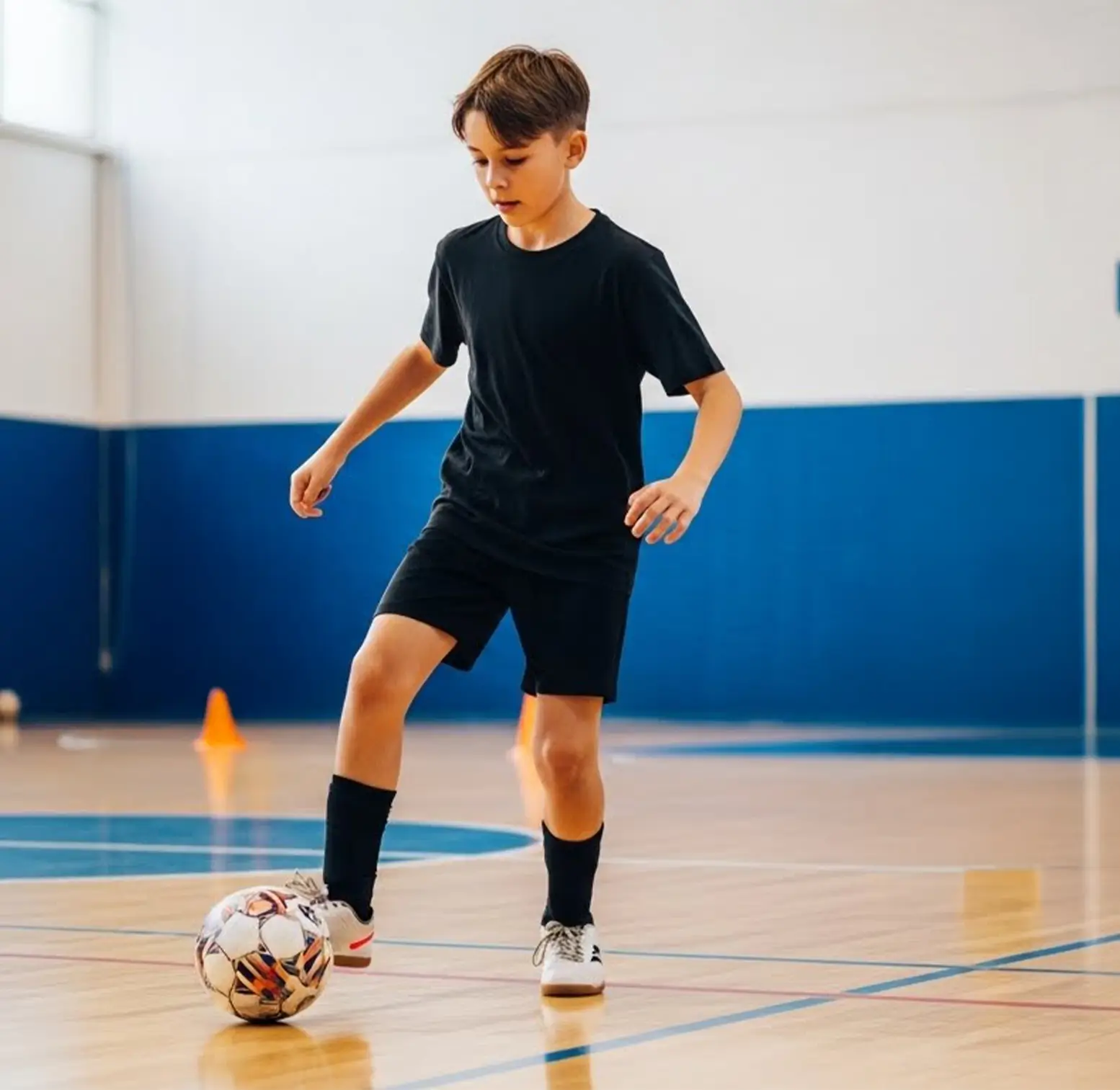
Many kids love soccer but fear getting something wrong. A missed pass, a bad touch, or a mistake in a game can feel overwhelming. Over time, the fear replaces confidence, and learning slows down.
At Charlotte Rise FC, mistakes are treated as part of development, not something to avoid. The environment is designed to help players feel safe trying, learning, and growing without pressure.
Here is how that approach helps kids who fear making mistakes.
Mistakes are framed as learning moments.
Fear grows when mistakes feel final. Charlotte Rise FC changes that narrative from the very beginning.
- Coaches explain that mistakes are expected.
- Players are encouraged to try again quickly.
- Errors are corrected calmly and privately.
- Learning is emphasized over outcomes.
- Confidence is protected during correction.
This mindset allows players to stay engaged instead of shutting down.
Mistakes become information. Learning stays active and positive.

Coaching language reduces fear.
How coaches speak matters. Tone and timing shape a child’s confidence.
- Clear demonstrations replace constant verbal correction.
- Feedback focuses on effort and decision-making.
- Coaches avoid calling out players publicly.
- Encouragement follows mistakes immediately.
- Players feel supported, not exposed.
This approach aligns closely with positive soccer coaching, where communication builds trust and confidence.
Safe language creates brave players.

Training environments remove pressure.
Fear often comes from feeling watched or judged. Charlotte Rise FC structures sessions to reduce that pressure.
- Smaller group sizes for better attention.
- Skill progressions that build gradually.
- Repetition without spotlight pressure.
- Consistent routines that feel familiar.
- Clear expectations before each activity.
Many new players begin in Rising Stars, where the environment helps kids relax and enjoy learning the game.
Comfort leads to confidence.
Parents are guided to reinforce confidence.
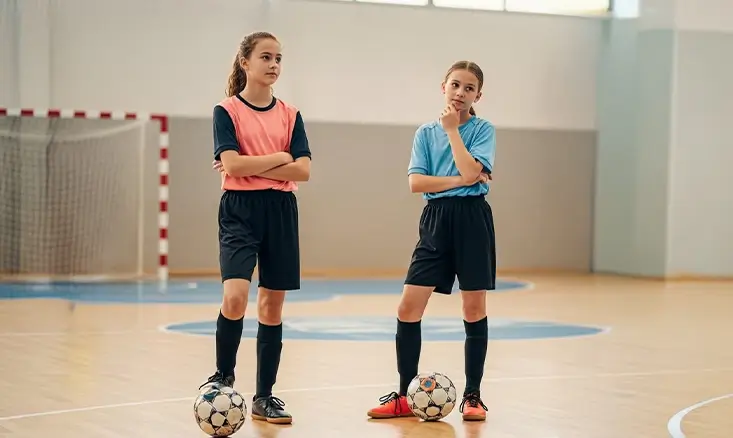
Fear of mistakes often grows outside of training. Charlotte Rise FC supports parents in reinforcing the same healthy mindset at home.
- Emphasis on effort over results.
- Guidance on post-game conversations.
- Clear development timelines.
- Consistent coach communication.
- Supportive sideline culture.
Families who understand parents’ and coaches’ communication help reduce pressure and fear.
Aligned messaging builds trust.
Progress is measured without comparison.
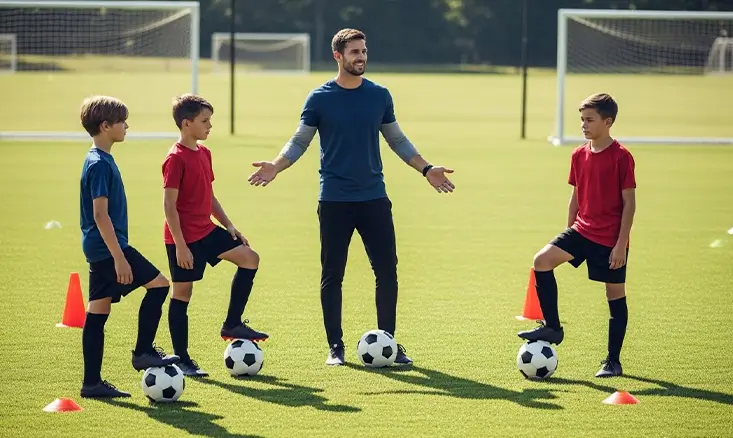
Comparison increases fear quickly. Charlotte Rise FC avoids labeling players or rushing development.
- Progress is tracked over time.
- Growth is discussed in simple terms.
- Movement between groups is supported.
- No rushing development stages.
- Confidence grows naturally.
Parents often appreciate using ideas from measuring the soccer progress of a child to see improvement without stress.
Growth feels safer without comparison.
FAQs
Why do some kids fear making mistakes in soccer?
Kids may fear mistakes when they feel judged or rushed. Pressure from comparisons, loud corrections, or high expectations can increase anxiety. Programs that focus on confidence and learning help reduce this fear, especially when progress is framed as development over time instead of performance.
How does Charlotte Rise FC handle mistakes during training?
Mistakes are treated as learning moments. Coaches correct calmly and privately, then encourage players to try again. This approach reflects positive soccer coaching, where confidence and understanding matter more than immediate results.
Is Charlotte Rise FC a good fit for nervous beginners?
Yes. Many nervous players start in Rising Stars, where sessions are structured to feel welcoming and low-pressure. Small groups and patient coaching help beginners build confidence before moving into more competitive settings.
How can parents help kids feel less afraid of mistakes?
Parents can focus conversations on effort, learning, and enjoyment instead of results. Staying calm after games and supporting the coach’s messaging helps kids relax. Families often follow guidance on how to be a supportive parent to reinforce confidence at home.
How does communication between parents and coaches help?
When parents and coaches share the same language, kids feel safe learning. Clear expectations and consistent feedback reduce confusion and pressure. This alignment is outlined in the importance of parent and coach communication, which supports confidence and development.
How can progress be tracked without increasing pressure?
Progress should be measured over weeks and months, not game to game. Tracking effort, confidence, and understanding helps avoid comparison. Many parents use ideas from measuring the soccer progress of a child to see growth without stress.

Did you find this useful?

LATEST BLOGS