


Why Balance and Movement Come Before Goals in Youth Soccer

CRFC BLOGS
LATEST BLOGS & NEWSLETTERS
Why Balance and Movement Come Before Goals in Youth Soccer
When people think about youth soccer, goals usually get the spotlight. But in early development, scoring is not the foundation. For young players, how they move matters far more than how often they score. Balance and movement shape coordination, confidence, and long-term success.
When kids learn to move well first, goals follow naturally later.
Movement Is the Foundation of Every Soccer Skill
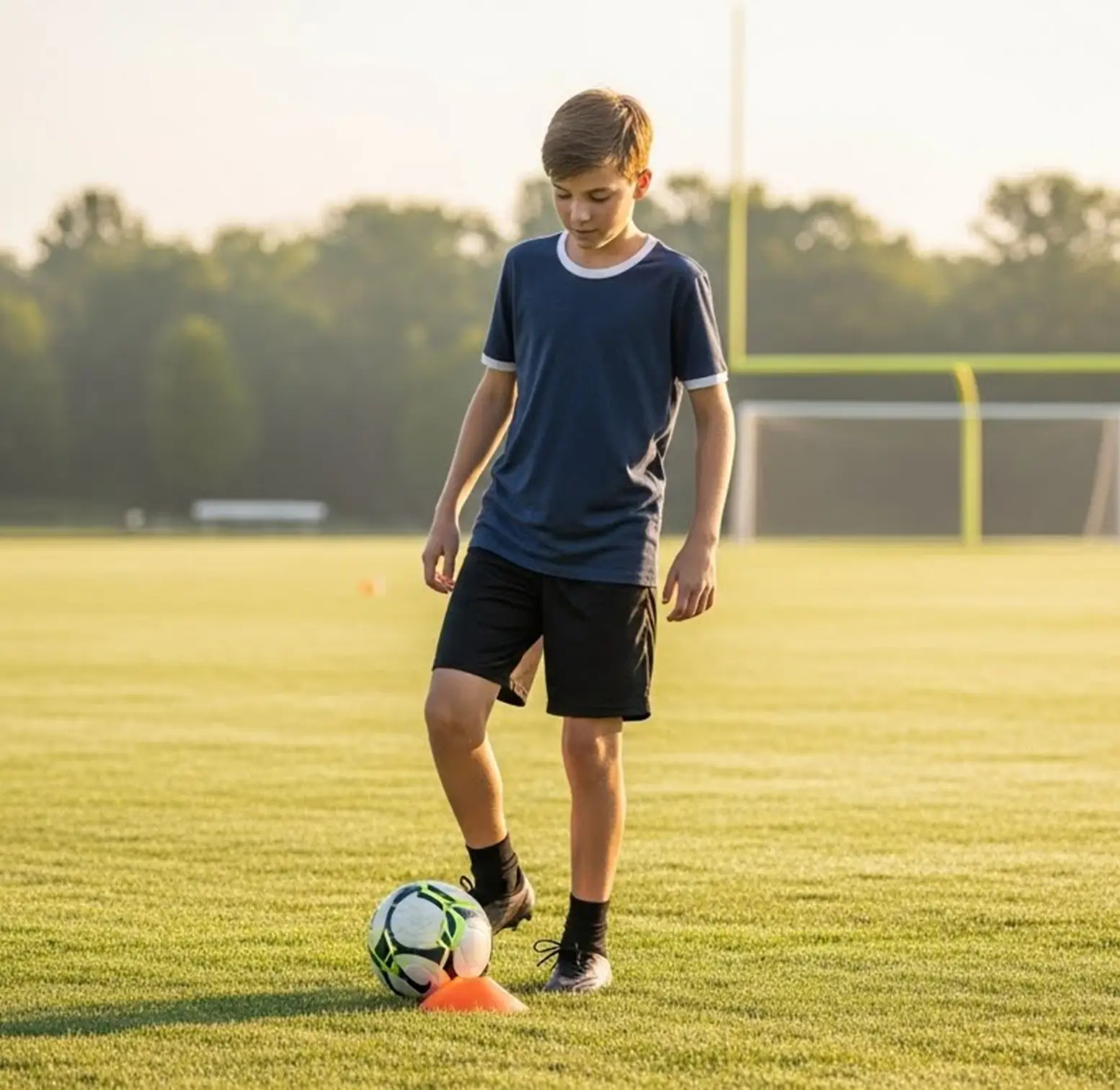
Every soccer skill begins with movement. Without balance or body control, even simple skills feel unpredictable or frustrating.
- Players need stability to change direction smoothly.
- Good movement supports clean ball contact.
- Balance helps prevent falls and hesitation.
- Body control improves reaction time.
- Skills feel easier to repeat.
Strong movement creates a stable base for learning.
Balance Builds Confidence in Young Players
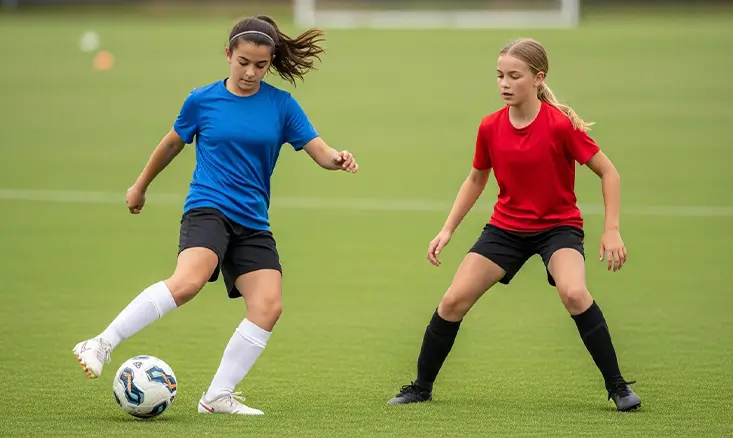
Balance gives children a sense of control over their bodies. That control becomes confidence during training and games.
- Players feel safer trying new skills.
- Hesitation decreases during play.
- Mistakes feel easier to recover from.
- Physical confidence grows steadily.
- Enjoyment increases naturally.
Confident movement creates confident players.
Early Goals Can Be Misleading
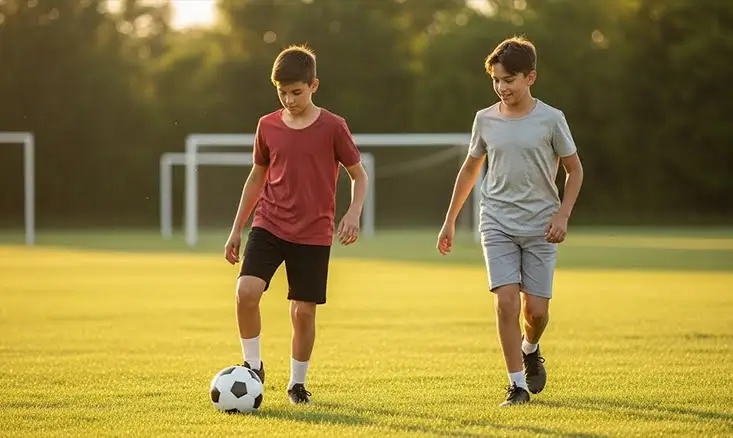
Scoring at young ages often has more to do with size, speed, or early physical advantages than true skill development.
- Scoring does not always reflect skill quality.
- Poor movement can limit future growth.
- Early success may slow learning focus.
- Bad habits become harder to correct.
- Long-term progress can stall.
A movement-first approach prevents these hidden gaps.
Coordination Supports Decision-Making
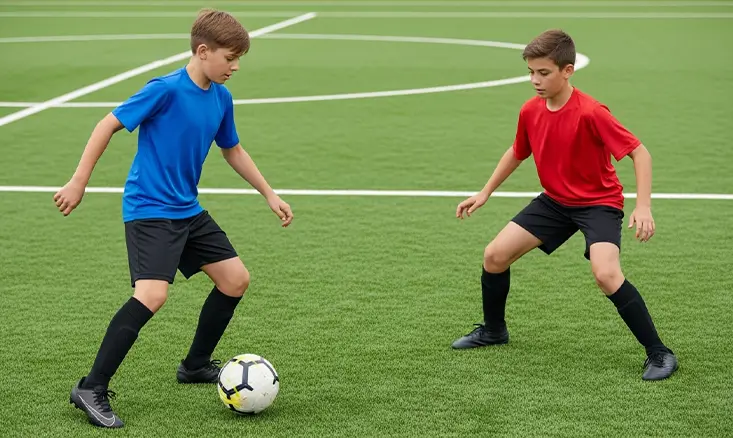
When movement feels easy, young players can think more clearly during play. Coordination reduces mental overload during play.
- Players react faster under pressure.
- Decisions feel more natural.
- Ball control improves in tight spaces.
- Awareness increases during movement.
- Confidence supports smarter choices.
Good movement frees the brain to think.
Early Movement Training Prevents Frustration Later
Players who skip movement foundations often struggle as the game speeds up. Early balance training reduces future frustration.
- Skills remain reliable as intensity increases.
- Players adapt more easily to challenges.
- Confidence stays consistent.
- Learning continues without setbacks.
- Enjoyment remains high.
Early focus protects long-term progress.
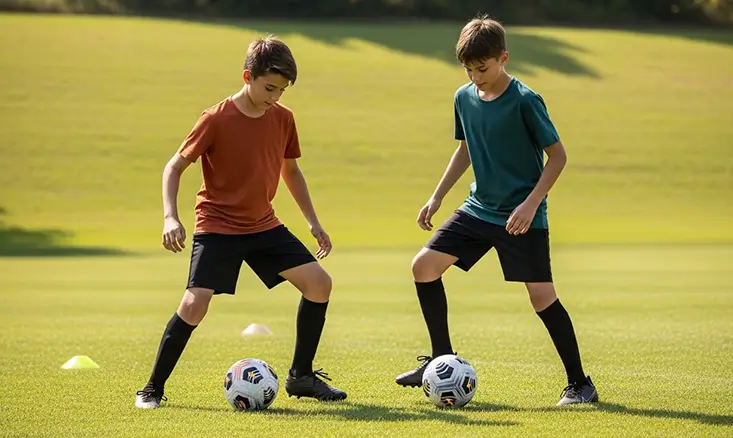
How Balance Training Supports Long-Term Development
Balance and movement training prepare players for every future stage of soccer.
- Coordination transfers to advanced skills.
- Players handle faster play more easily.
- Injuries become less likely.
- Confidence carries into competition.
- Development stays steady over time.
Strong foundations support lasting success.
Conclusion
Goals may feel exciting, but balance and movement create real growth in youth soccer. When players learn to move with control and confidence, skills develop naturally and enjoyment stays high. Focusing on movement first gives kids the best chance to succeed, stay motivated, and love the game long term.
Charlotte Rise FC builds players from the ground up, starting with how they move.
FAQs
Why is balance more important than scoring goals for young players?
Balance allows young players to control their bodies, recover from mistakes, and move confidently. Without balance, skills break down under pressure. Focusing on early balance and coordination helps players develop confidence and consistency, which leads to stronger skills and better performance as the game becomes faster and more demanding.
Anchor: balance and coordination
https://www.risefcsoccer.com/youth-soccer-balance-drills/
How does movement training help long-term player growth?
Movement training builds the foundation for every future skill. Players who move well adapt faster, stay confident, and handle pressure better. This approach supports healthy player development by ensuring skills progress naturally without relying on early physical advantages or short-term success.
Anchor: player development
https://www.risefcsoccer.com/youth-soccer-player-development/
Should parents worry if their child is not scoring goals yet?
No. Early development should focus on movement, confidence, and comfort. Goals come later as skills mature. Parents who focus on measuring progress through coordination and participation gain a clearer picture of real development instead of relying on scores or statistics.
Anchor: measuring progress
https://www.risefcsoccer.com/measuring-soccer-progress-of-child/
How does balance training support skill learning?
Balance allows players to pass, dribble, and shoot with control. When the body stays stable, skills become more consistent. This connection strengthens early skill development, helping young players repeat techniques confidently as intensity increases.
Anchor: skill development
https://www.risefcsoccer.com/youth-soccer-skill-development/
Does focusing on movement help players succeed later?
Yes. Players who build strong movement foundations adjust better to advanced training and competition. Early focus on balance supports long-term training success, where confidence, coordination, and enjoyment help players continue improving across seasons.
Anchor: training success
https://www.risefcsoccer.com/youth-soccer-training-success/

Did you find this useful?

LATEST BLOGS